Incorporating Play into Training: Making Learning Fun for Your Dog
Engaging Our Canine Companions
Training our dogs can often feel like a chore, but it doesn’t have to be. By incorporating play into training, we can transform the learning experience into an exciting adventure. This approach not only enhances the bond between you and your furry friend but also makes the training process more enjoyable and effective.
Consider these benefits of adding play to dog training:
- Increased motivation: Playful activities keep dogs engaged and eager to learn. For instance, a game of fetch can be a thrilling way to teach your dog to retrieve items on command, which reinforces not just the behavior, but also the fun of the activity.
- Enhanced focus: Fun games capture attention, making it easier for dogs to concentrate on commands. Utilizing toys can distract from environmental stimuli, enabling dogs to focus solely on the task at hand.
- Positive reinforcement: Play rewards behaviors, fostering a desire to repeat them. When dogs associate learning with enjoyment, they are more likely to repeat desired behaviors. Using a squeaky toy as a reward when your dog performs well can reinforce this connection.
Moreover, implementing play in training can take various forms. You can:
- Use toys as rewards during commands, such as a tug-of-war game after successfully sitting or staying. This keeps the atmosphere light and engaging.
- Incorporate agility courses for physical and mental stimulation. Setting up a small course in your backyard using cones, tunnels, and jumps can challenge your dog while also providing a platform for practice.
- Create treasure hunts for finding treats to boost problem-solving skills. Hiding treats around your home or yard and encouraging your dog to find them provides a fun twist on traditional training methods.
Research suggests that positive, play-based training methods not only improve behavior but also enhance overall well-being. A study published in the Journal of Veterinary Behavior indicates that dogs trained using positive reinforcement respond better to commands and demonstrate lower anxiety levels compared to those trained with aversive methods.
Ultimately, the goal is to create a positive environment where learning feels more like fun than work. This way, you can nurture a relationship built on trust and joy, setting the foundation for a well-trained and happy dog. Engaging in play fosters a genuine connection between you and your canine companion, ensuring that training is not merely a task to complete but a delightful part of your shared life.
Transforming Training through Play
One of the most effective ways to incorporate play into dog training is by making learning interactive. Dogs are naturally playful creatures, and tapping into this instinctual behavior can lead to an enriched training experience. When we blend commands with games, we not only keep our pups engaged but also help them internalize lessons more effectively. Engaging activities challenge dogs physically and mentally, fostering an environment where they thrive.
Here are some creative methods to integrate play into your training sessions:
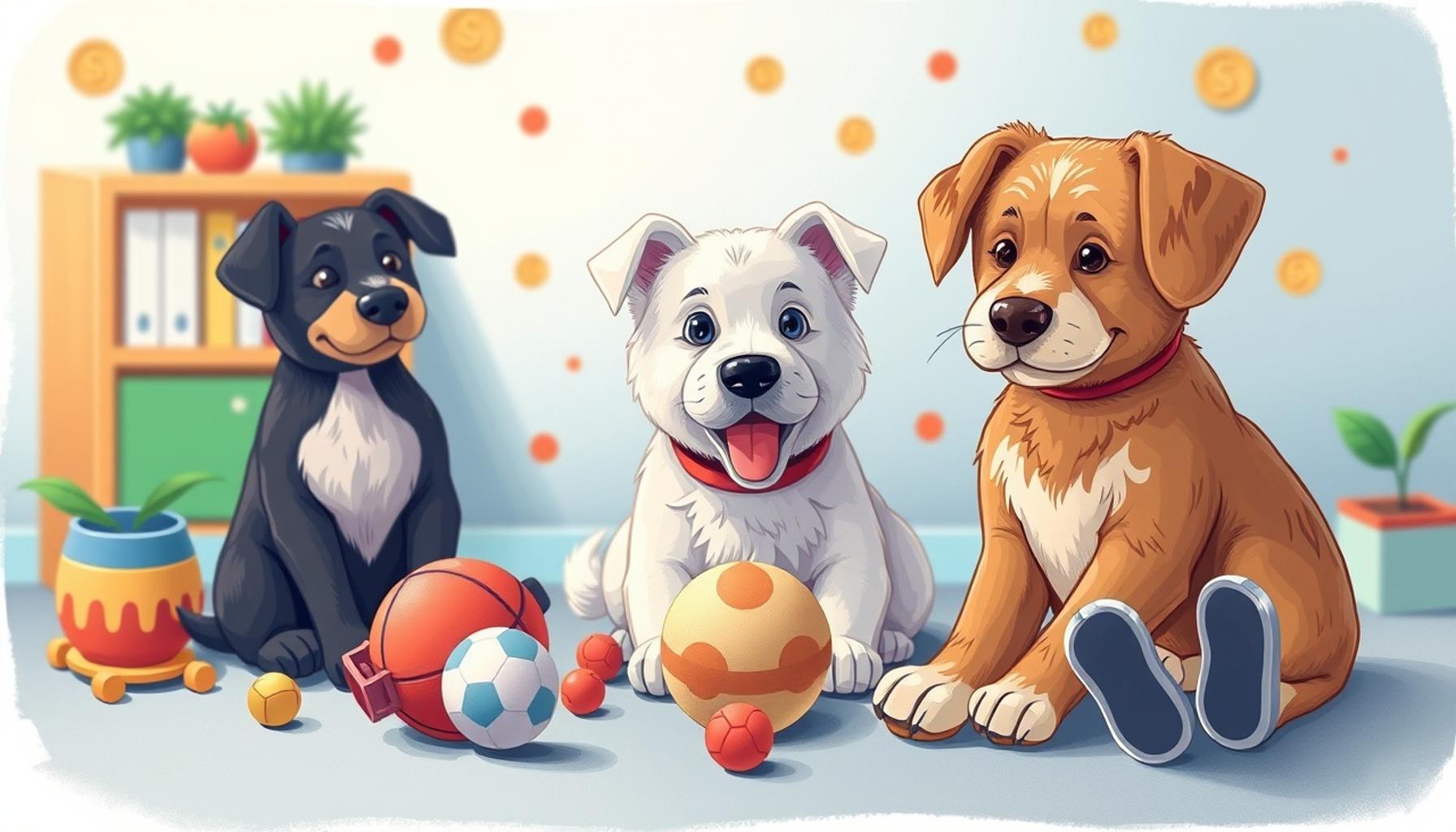
- Introduce fetch as a training tool: Instead of simply tossing a ball, try using fetch to teach your dog to respond to commands like “come” or “drop it.” This method encourages your dog to associate fun with following directions, reinforcing their learning through enjoyment.
- Incorporate obedience games: Games such as “Simon Says” can be adapted for dog training. You can ask your dog to perform commands like “sit” or “stay,” rewarding them with praise and play when they succeed. This repetition, combined with the excitement of a game, can lead to quicker understanding.
- Use scent work as a fun challenge: Dogs love to use their noses, so turning their training into a scent game can be incredibly effective. Hide treats around the house or yard, allowing your dog to discover them using their sense of smell. This not only makes the activity thrilling but also engages their natural instincts.
Furthermore, training doesn’t have to happen in long, laborious sessions. Short and playful exercises can be more beneficial. Studies suggest that dogs learn best in shorter bursts, with play integrated between commands. It’s a win-win scenario: the dog remains enthusiastic, and the owner experiences a more productive training session.
Providing a variety of games also helps combat boredom, a common barrier in dog training. Dogs that become disinterested may disengage from training altogether, making your efforts feel futile. Mixing games up not only keeps your dog’s attention but also challenges their adaptability, reinforcing key training concepts in enjoyable ways. Exercises like hide-and-seek, where you hide and call your dog to find you, or relay races with other pets can be a brilliant way to combine fun with obedience training.
In the world of canine training, the inclusion of play represents a shift from traditional methods focused strictly on discipline. By building an engaging, fun atmosphere, dog owners can tap into their pets’ inherent joyfulness, which ultimately cultivates a more responsive, well-mannered companion. This playful approach to training does more than teach; it helps cement a lively and respectful relationship between you and your dog, paving the way for a harmonious household.
| Advantage | Details |
|---|---|
| Enhanced Engagement | Playfully incorporating training allows dogs to be more enthusiastic and focused, ensuring they are actively engaged in the learning process. |
| Strengthened Bond | Using fun activities during training fosters a deeper connection between you and your dog, which can enhance overall obedience and responsiveness. |
| Improved Retention | When training sessions are enjoyable, dogs are more likely to remember commands and skills, leading to better long-term learning outcomes. |
| Stress Reduction | Playful training helps in reducing anxiety, making the learning environment safe and comfortable, contributing to a positive training experience. |
Incorporating play into training is fundamental in making it a rewarding journey for both the dog and owner. These playful methodologies not only make the process enjoyable but also significantly enrich the learning experience. For instance, games like fetch or hide-and-seek can be seamlessly integrated with commands, transforming mundane lessons into engaging challenges. As you explore more on this topic, you may discover various techniques that incorporate physical playfulness, and intellectual stimulation, ensuring your dog delights in every training session. Such unique strategies can elevate the interaction you share with your pet, making learning an adventure rather than a chore. Embracing these practices leads to mutual joy, learning, and a lifelong bond with your canine companion.
Enhancing Skills through Creative Play
Another powerful aspect of incorporating play into dog training is its ability to enhance specific skills. Playful activities can target and improve various behaviors or commands while making the learning process enjoyable. For example, agility courses are an excellent way to challenge your dog physically and mentally. Setting up a simple obstacle course in your backyard using cones, jumps, and tunnels not only provides exercise but teaches your dog to follow your commands and navigate various challenges.
Utilizing interactive toys is a creative way to promote thoughtful play. Puzzle feeders or treat-dispensing toys entice dogs to problem-solve, requiring them to engage cognitively to access their rewards. This engages their brain in a way that is rewarding yet fun, building skills such as patience and focus. Furthermore, these toys can be a fantastic outlet for high-energy dogs, preventing boredom and destructive behavior.
Engaging in group play or training classes can also be incredibly beneficial. Classes that allow for interactive play with other dogs encourage socialization and can provide another layer of engagement. Dogs thrive on interactions with their peers, and having a structured environment where they can play while learning essential commands can foster a sense of community among both pets and owners. Many facilities offer agility or flyball classes that combine play and competition, appealing to a dog’s natural instincts to chase and fetch while honing their training.
Adding music or audible signals can transform a training session into a fun and stimulating environment. You can play upbeat music while practicing commands or teach your dog to respond to specific sounds or cues. For instance, pairing a clicker with a command, such as “sit,” can reinforce the behavior in an entertaining way. Clicker training has proven to be effective, quickly conveying positive reinforcement as your dog successfully completes tasks.
Additionally, the concept of role-play can be an exciting way to challenge your dog’s intuitiveness and adaptability. By pretending to be in different scenarios—like a car ride, a visit to the vet, or a trip to the park—you can expose your dog to various commands and stimuli in a fun and low-pressure environment. This creative interpretation of everyday situations can improve your dog’s adaptability to real-world challenges.
It is also important to recognize the impact of your own enthusiasm during training. Dogs are highly attuned to their owner’s energy levels. If you naturally express excitement and joy during playful training, your dog will likely mirror that behavior. This excitement is contagious, resulting in a more engaged and eager learner. So don’t be afraid to celebrate the little wins with high-energy reactions, fun games, and positive reinforcement!
The possibilities are endless when it comes to combining play and training. By seeking out diverse activities and methods, you foster not only beneficial behaviors but also an enriching partnership that deepens your bond with your dog. Such innovative approaches underscore the importance of play as a fundamental component of successful training, creating happy, well-adjusted companions. Exploring various options will undoubtedly pave the way for learning experiences that both you and your furry friend cherish.
Conclusion
Incorporating play into dog training is not just a trend; it is a transformative approach that redefines traditional learning methods and enhances the overall training experience. By integrating playful activities, owners can foster a joyful learning environment where dogs not only develop essential skills but also build a stronger bond with their handlers. As we explore innovative strategies—such as agility courses, interactive toys, group training, and rewarding games—we discover that the essence of a happy dog is deeply intertwined with engaging play that stimulates both body and mind.
Research shows that dogs learn more effectively when they are having fun. This playful mindset encourages them to embrace the challenges of training without fear or resistance. Moreover, the socialization opportunities that arise from group activities help dogs become well-rounded members of the community. As you follow your dog through various training scenarios, including role-playing real-life situations, you equip them with the adaptability they need to thrive in everyday experiences.
Crucially, your energy and enthusiasm play a significant role in this equation. Celebrating achievements—big or small—through positive reinforcement will inspire your dog to approach learning with eagerness. Remember, the journey of training your dog should be a shared adventure, rich with laughter, learning, and love. Ultimately, the combination of play and training leads not just to a well-trained dog, but to a fulfilled and happy companion that you both cherish.
So embark on this exciting path where learning becomes a game, and watch as your dog flourishes in a world designed for both mental engagement and endless fun!

Beatriz Johnson is a seasoned pet care expert and writer with a passion for simplifying the complexities of pet ownership and animal well-being. With over a decade of experience in the field, she specializes in topics like pet nutrition, training techniques, and health care. Through her work on our website, Beatriz empowers pet owners to make informed decisions and provide the best possible care for their furry friends, ensuring happy and healthy lives for their beloved companions.

Beatriz
Beatriz Johnson is a seasoned pet care expert and writer with a passion for simplifying the complexities of pet ownership and animal well-being. With over a decade of experience in the field, she specializes in topics like pet nutrition, training techniques, and health care. Through her work on our website, Beatriz empowers pet owners to make informed decisions and provide the best possible care for their furry friends, ensuring happy and healthy lives for their beloved companions.