Menu

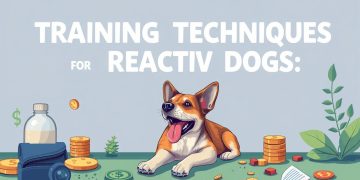
Training Techniques for Reactive Dogs: Strategies to Manage Aggression and Fear

Effective training techniques for reactive dogs focus on strategies to manage aggression and fear. Understanding the causes of reactivity and implementing methods like positive reinforcement, desensitization, and counter-conditioning fosters a safer environment and strengthens the bond between pets and owners, paving the way for a more harmonious relationship.

Utilizing Interactive Toys to Enhance Training Engagement and Cognitive Development in Pets

Interactive toys are revolutionizing pet training by enhancing engagement and promoting cognitive development. These innovative tools offer mental stimulation and physical activity, addressing boredom while fostering problem-solving and focus. By integrating interactive play into training routines, pet owners can strengthen bonds and nurture well-rounded, intelligent companions.

The Importance of Consistency in Pet Training Techniques

Consistency is crucial in pet training, as it builds trust and reinforces learning. A structured approach with uniform commands and timely rewards helps pets understand expectations, reducing confusion and promoting positive behaviors. By fostering a reliable training environment, owners can strengthen their bonds with pets and achieve effective behavioral outcomes.

Clicker Training: How to Use Sound for Effective Pet Communication

Discover the transformative benefits of clicker training, an innovative method that uses sound for effective pet communication. This engaging technique enhances understanding and strengthens the bond between pets and owners through positive reinforcement, immediate feedback, and a fun learning environment, empowering animals to thrive while fostering trust and cooperation.

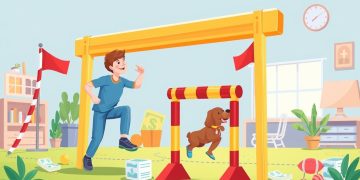
Incorporating Obstacle Courses into Home Training Routines for Enhanced Learning

Incorporating obstacle courses into home training routines enhances learning by fostering both physical and cognitive development. This engaging approach promotes fitness while developing problem-solving skills, creativity, and teamwork. Families can create dynamic courses that blend fun and education, paving the way for improved academic performance in children.

Utilizing Mindfulness Techniques to Calm Anxious Pets During Training

Anxiety in pets can hinder training effectiveness. Incorporating mindfulness techniques, such as deep breathing and grounding exercises, creates a calm environment, reduces stress, and fosters a stronger bond between pets and their owners. Embracing these practices enhances both the training experience and emotional well-being of anxious pets.

Leveraging Scent Work for Engaging Pet Training Sessions

Discover how to enhance pet training sessions by leveraging scent work, tapping into your pet's natural abilities. This engaging method promotes cognitive stimulation, strengthens the bond between pet and owner, and transforms training into exciting adventures, making it a rewarding experience for both you and your furry friend.

Exploring the Benefits of Group Training Classes for Pets and Owners

Group training classes offer numerous advantages for pets and their owners, enhancing socialization, reducing behavioral issues, and fostering community support. These classes provide expert guidance and a structured environment that encourages bonding and commitment, ultimately leading to well-trained pets and enriching relationships that last a lifetime.

Techniques for Training Your Cat: Understanding Feline Behavior and Learning Styles

Discover effective techniques for training your cat by understanding their unique behaviors and learning styles. Tailor your approach using positive reinforcement, environmental enrichment, and consistent routines to foster a deeper connection. Enhance your feline's responsiveness and create a harmonious relationship through engaging, personalized training methods.

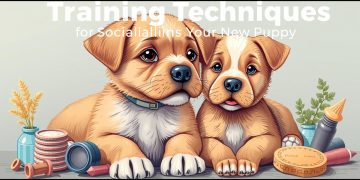
Training Techniques for Socializing Your New Puppy

Socializing your new puppy is essential for fostering a confident, well-adjusted companion. Implement training techniques such as positive reinforcement, gradual exposure, and structured playdates to help your puppy adapt to various environments and stimuli. These methods enhance behavior, reduce fear, and create positive experiences for lifelong companionship.