Using Agility Training to Enhance Your Dog’s Physical and Mental Skills
Exploring the Transformative Benefits of Dog Agility Training
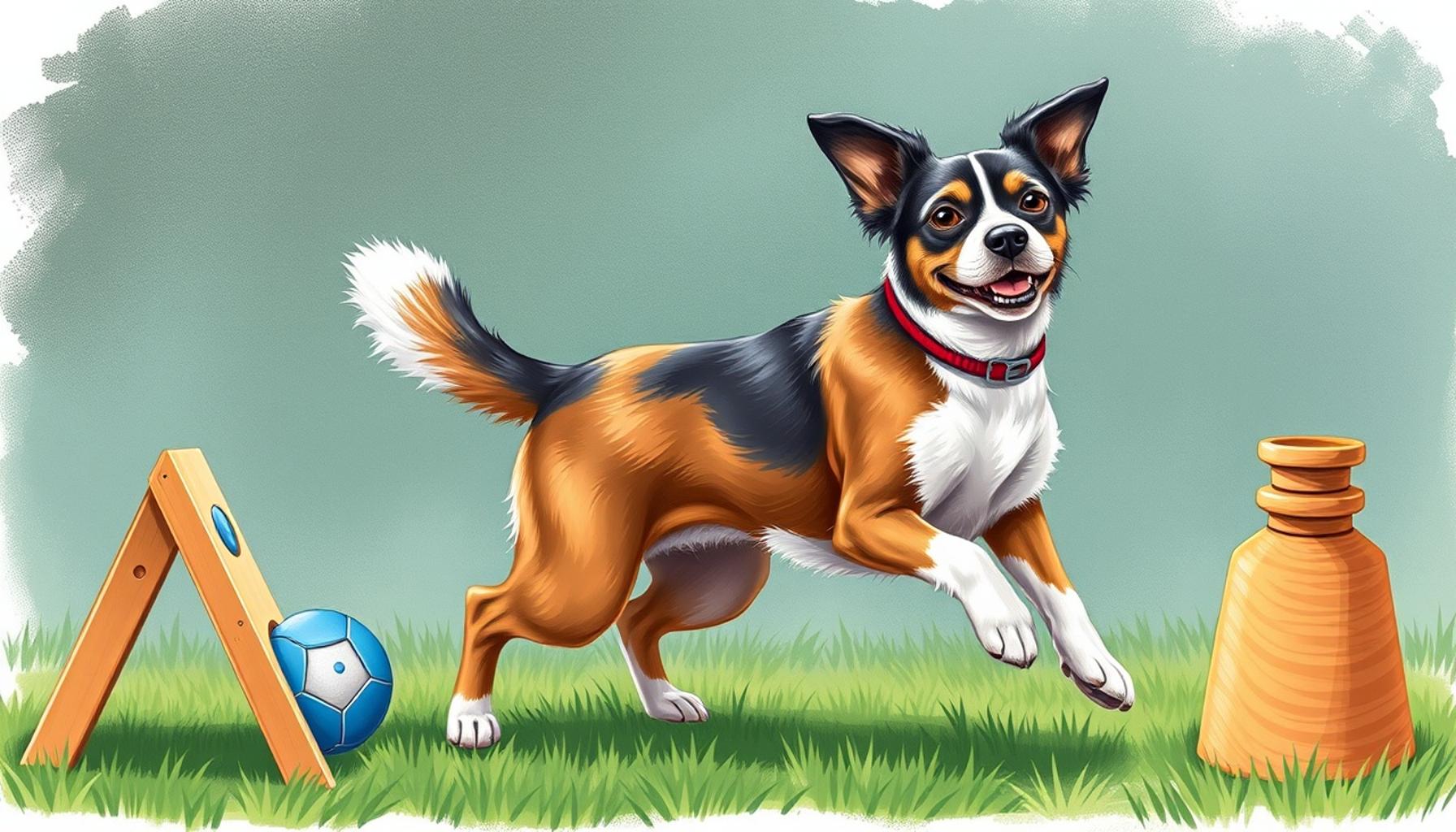
Agility training offers much more than just recreation; it serves as a comprehensive method for both engaging and enhancing your dog’s physical attributes and cognitive abilities. This exhilarating sport involves guiding your canine companion through a variety of obstacles, such as jumps, tunnels, and weave poles, all specifically designed to challenge their agility and dexterity. As you embark on this journey, you’ll likely uncover an array of benefits that extend far beyond mere fun.
One of the primary benefits of agility training is physical fitness. Navigating through obstacle courses can significantly improve your dog’s coordination and balance. Regular participation in training can help maintain a healthy weight, as agility training is an excellent form of cardiovascular exercise. For example, many dogs, particularly breeds like Border Collies and Australian Shepherds, thrive in an agility environment where they can expend their energy effectively while building muscle strength.
Moreover, agility training provides mental stimulation that is equally crucial for your dog’s well-being. Completing various obstacles engages their problem-solving skills and enhances their ability to focus. Dogs that are mentally stimulated are less prone to boredom, which often leads to unwanted behaviors, such as chewing furniture or excessive barking. For instance, a dog learning to navigate a tunnel develops not just physical prowess, but also strategic thinking as they figure out how to approach the challenge.
Additionally, agility training creates an invaluable bonding experience between you and your pet. Training sessions require teamwork and communication, helping you both to develop trust and understanding. Engaging in this cooperative sport fosters a deeper emotional connection, making your dog more attuned to your commands and cues. The thrill of successfully completing an obstacle together can be incredibly rewarding.
Besides these benefits, agility training can lead to reduced behavioral issues. Engaged dogs tend to experience less anxiety and exhibit fewer destructive tendencies, as they have an outlet for their energy. Furthermore, the structured environment of agility training lays the groundwork for enhanced obedience, as dogs learn to respond promptly to their handlers’ cues in various scenarios. They also gain much-needed socialization opportunities by interacting with other dogs and handlers, which can lead to improved social skills and reduced fear of unfamiliar situations.
As you consider agility training for your dog, explore the vast array of equipment available. From tunnels and jumps to weave poles and see-saws, each piece is designed to enhance your dog’s agility while keeping the training diverse and engaging. Embracing this rewarding activity opens new avenues for a happier and healthier life for your canine companion, fueling not only their physical fitness but also their emotional and social well-being. Whether you are a novice handler or an experienced competitor, agility training can become a fulfilling and enriching part of your dog’s life.
The Dynamic Elements of Agility Training
Agility training is a multifaceted discipline that combines the thrill of athleticism with the intricacies of mental focus. Using agility equipment, handlers guide their dogs through courses designed to test speed, accuracy, and strategy. But what exactly does this training entail, and how can it significantly boost your dog’s physical and mental skills?
First and foremost, agility courses are constructed from a variety of components that challenge dogs in different ways. Here are some of the key obstacles you might encounter:
- Jumps: These obstacles improve your dog’s strength and coordination as they learn to clear various heights.
- Tunnels: Navigating tunnels enhances your dog’s confidence and decision-making skills.
- Weave poles: Mastering these poles develops agility and precision as dogs learn to maneuver through tight spaces.
- Teeter-totters: This obstacle teaches balance and coordination, requiring your dog to adjust to shifting weights.
Such a mix not only keeps training sessions exciting but also ensures that your dog engages different muscle groups, enhancing overall physical health. For example, a dog that regularly practices jumping can develop stronger leg muscles and improve their cardiovascular endurance, which benefits long-term health and well-being. Additionally, agility training can serve as an excellent alternative to traditional walk routines or solo fetch games, making it an ideal option for energy-intensive breeds.
But the benefits of agility training extend far beyond physical fitness. The need for quick decision-making while working through an agile course stimulates a dog’s cognitive functions. As they encounter various challenges, dogs learn to process information rapidly and adapt their actions accordingly. A well-structured agility course can introduce scenarios that require dogs to think on their feet, sharpening their focus and enhancing problem-solving skills. For instance, a dog that learns to navigate a twisty tunnel while maintaining speed will bolster their ability to concentrate, making them more disciplined both on and off the course.
Furthermore, agility training fosters instincts that translate to daily life. Skills developed within this training context can have profound implications for a dog’s behavior in less structured environments. For example, a dog that has learned to swiftly navigate obstacles can approach novel stimuli in the real world with greater confidence. They become accustomed to processing sensory input and making swift decisions, leading to improved reaction times when encountering unexpected situations, such as meeting a new dog at the park.
In summary, agility training offers a unique blend of physical exercise and mental challenges that can profoundly benefit your dog. By engaging them in activities that require both speed and strategy, you not only enhance their athletic capabilities but also foster mental agility that contributes to a well-rounded, emotionally balanced canine companion. As you embark on this agility training journey, rest assured that you are providing your dog with the tools for success, both in sports and in life.
| Advantages | Description |
|---|---|
| Physical Fitness | Agility training provides a robust workout, promoting cardiovascular health and muscle development in dogs. |
| Mental Stimulation | Engaging in agility exercises enhances cognitive skills, improving problem-solving abilities and focus during performance. |
| Bonding Opportunities | Participating together strengthens the bond between owner and dog, fostering trust and teamwork. |
| Socialization | Training sessions often involve groups, helping dogs learn to interact better with other dogs and people. |
Agility training is not merely a physical pursuit; it caters to the mental and emotional needs of dogs as well. Dogs thrive when given the opportunity to channel their energy into structured activities. Through agility drills, they are not only enhancing their physical prowess but also sharpening their mental acuity. The challenges presented in agility courses stimulate their brains and encourage quicker decision-making.The intricate relationship formed during joint training sessions can significantly enhance the owner-dog bond. When dogs sense their owner’s involvement, support, and encouragement, it cultivates a sense of security and connection. These shared experiences promote a healthier mindset for dogs, leading to a more balanced and well-adjusted pet.Furthermore, agility practice serves as an excellent avenue for socialization. Dogs interacting within a group setting become more adept at engaging positively with both humans and their canine peers. This social aspect ensures your pet grows into a confident and well-mannered companion. Engaging in these structured environments enriches not only the dog’s skills but also the joy of pet ownership.
Building Bonds Through Teamwork and Communication
Beyond the physical and cognitive advancements that agility training fosters, there lies an equally important aspect: the deepened bond between a dog and their handler. The nature of agility training necessitates a high level of communication and teamwork, ultimately producing a more attuned partnership. This aspect of agility can be particularly beneficial for owners of high-energy breeds, such as Border Collies or Australian Shepherds, which thrive on mental engagement and companionship.
Fundamentally, agility training requires that both the dog and handler work in harmony. Handlers must learn to effectively communicate commands and cues while maintaining an enthusiastic and supportive presence. This relationship enhances the dog’s trust in their handler, forging a stronger emotional connection that can significantly reduce behavioral issues linked to anxiety or frustration. A dog attuned to their handler’s body language becomes more consistent in their training responses and may demonstrate improved emotional stability overall.
As you engage in agility exercises, handlers often form an intense level of focus on the dog’s behavior, fostering awareness that translates to other aspects of dog care and training. For instance, understanding how to decipher your dog’s body language during agility runs can enhance overall communication, making it easier to convey expectations and reinforce positive behaviors in various scenarios.
Socialization Opportunities
Another significant benefit of agility training is the opportunity it provides for socialization. Engaging in classes or local competitions not only allows your dog to interact with fellow canine athletes but also introduces them to a variety of environments and stimuli. This exposure is vital for young dogs still developing their social skills and can mitigate fear or aggression in unfamiliar situations later in life.
For example, dogs who regularly participate in agility events become accustomed to working alongside others, improving their manners and behavior when interacting with other pets and humans. The environment of group training encourages dogs to feel more comfortable around distractions, such as noise and other eager participants. This adaptability can be invaluable for any dog that may struggle with reactive tendencies in social settings.
Suitable for All Breeds and Ages
One of the beautiful aspects of agility training is its versatility; it is suitable for dogs of all breeds and ages, as long as they are healthy enough to participate. Smaller breeds, like Dachshunds or Cavalier King Charles Spaniels, can benefit greatly from agility courses, challenging themselves in a supportive environment, while older dogs can engage in lighter agility exercises, enhancing their mobility and mental sharpness.
In fact, starting agility training can help older dogs maintain their fitness levels and stimulate their minds, potentially delaying cognitive decline associated with aging. By creatively adjusting obstacles or course designs, older and less-mobile dogs can still participate meaningfully, keeping them engaged and active without overstressing their joints or muscles.
Creating Lasting Impact
In essence, agility training is more than just a sport; it’s a comprehensive approach to enhancing the quality of life for dogs. It encourages physical conditioning, bolsters mental acuity, and promotes positive interactions between owners and their pets. The skills acquired through agility are transferable to everyday situations, helping dogs become more balanced, confident, and well-behaved companions. Engaging your dog in agility training can create a lasting impact—not only on their fitness but also in nurturing the bond you share together.
Conclusion: Unleashing Potential Through Agility Training
In conclusion, agility training embodies a remarkable combination of physical exercise, mental stimulation, and emotional strengthening for dogs and their owners alike. As we’ve explored, this dynamic activity not only enhances your dog’s physical capabilities by improving strength, speed, and coordination but also sharpens their mental acuity through problem-solving tasks and focus challenges.
The benefits extend beyond individual skill sets; the partnership forged between handler and dog during agility training fosters trust, communication, and teamwork. This collaborative experience enables dogs to become more attuned to their owners, reinforcing positive behavior while alleviating anxiety and behavioral issues. Furthermore, agility training provides invaluable opportunities for socialization, exposing dogs to various environments and other animals, easing their adaptability in diverse situations.
Importantly, agility training is inclusive, welcoming dogs of all breeds and ages to partake in its enriching activities. Whether you have an enthusiastic puppy or a seasoned senior, there are tailored exercises to keep each dog engaged, active, and fulfilled. The lasting impact of agility training resonates well beyond the course itself—it solidifies a bond between canine and handler, enhancing the well-being of both.
By incorporating agility training into your dog’s routine, you not only nurture their innate abilities but also foster a joyful companionship that promotes a healthier, more balanced lifestyle. As you embark on this journey, remember that the joy of agility training lies in the experiences shared and the adventures that await.

Beatriz Johnson is a seasoned pet care expert and writer with a passion for simplifying the complexities of pet ownership and animal well-being. With over a decade of experience in the field, she specializes in topics like pet nutrition, training techniques, and health care. Through her work on our website, Beatriz empowers pet owners to make informed decisions and provide the best possible care for their furry friends, ensuring happy and healthy lives for their beloved companions.

Beatriz
Beatriz Johnson is a seasoned pet care expert and writer with a passion for simplifying the complexities of pet ownership and animal well-being. With over a decade of experience in the field, she specializes in topics like pet nutrition, training techniques, and health care. Through her work on our website, Beatriz empowers pet owners to make informed decisions and provide the best possible care for their furry friends, ensuring happy and healthy lives for their beloved companions.