Natural Food vs. Commercial Feed: What’s Better for Your Pet?

The Importance of Choosing the Right Diet for Your Pet
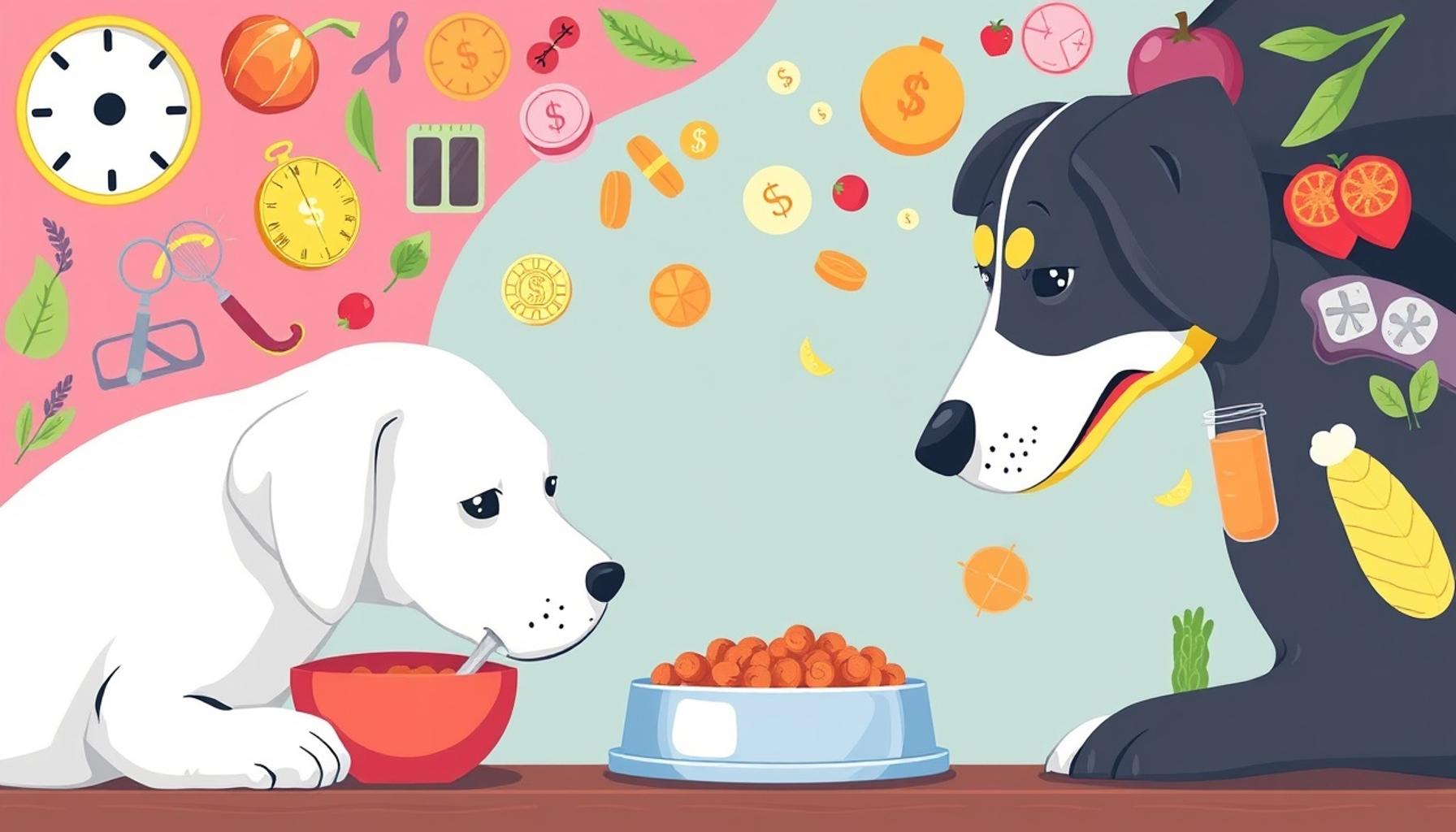
When it comes to your pet’s health, nutrition is a cornerstone aspect of their well-being. As pet owners navigate through the vast landscape of pet food options, it becomes crucial to make informed choices. Understanding the differences between natural food and commercial feed can lead to better dietary decisions that support a happier, healthier life for your furry companion.
Why Many Favor Natural Foods
Many pet owners are drawn to natural food because of its wholesome image, which often emphasizes quality and health benefits. Natural pet foods are characterized by being free from artificial additives, preservatives, and fillers. For instance, brands like Blue Buffalo and Wellness offer options that feature whole ingredients, such as real meat, vegetables, and grains. Choosing organic or grass-fed options can also mean selecting protein sources from animals raised without antibiotics or hormones. This might appeal to conscientious pet owners looking for sustainable choices.
Additionally, the enhanced flavors and nutrient absorption of natural foods can be attractive. Pets consuming meals made from high-quality ingredients often exhibit improved vitality and coat health. A study published in the Journal of Animal Science illustrates how diets rich in whole foods contribute to better overall health as they can provide essential nutrients more efficiently than processed alternatives.
The Convenience of Commercial Feed
On the flip side, commercial feed remains a dominant choice due to its convenience and affordability. Formulated to meet specific dietary needs, products from leading brands like Purina and Hill’s Science Diet offer tailored options for everything from weight management to food sensitivities. This level of specialization can simplify the feeding process for busy pet owners, ensuring their pets receive a diet suitable for their age, size, and health status.
Moreover, the ready availability of commercial feed in pet stores and online platforms adds to its appeal. Many pet owners appreciate the ability to easily restock their supplies with just a few clicks. Additionally, in terms of cost, commercial feeds tend to be more budget-friendly compared to natural food options, making them accessible to a broader range of pet owners.
Navigating the Choices
As the debate between natural food and commercial feed continues, it’s essential for pet owners to ask themselves what truly benefits their furry friends. Consulting with a veterinarian can be invaluable, as they can help assess your pet’s individual nutritional needs and any health considerations. With a solid understanding of nutrition science, pet owners can make informed decisions that prioritize their pet’s health. Stay tuned as we further investigate the intricate details between these two categories of pet food, guiding you in making the best choices for your beloved pet.
Understanding the Nutritional Landscape
With an expanding pet food market, pet owners are confronted with a plethora of choices that claim to enhance their pet’s health. The difference between natural food and commercial feed lies not only in ingredient sourcing but also in how these products are processed and formulated. Each category offers distinct advantages and challenges, which can significantly influence your pet’s nutrition.
The Composition of Natural Foods
Natural food typically contains recognizable, whole ingredients. This often includes fresh meats, vegetables, and grains, ensuring that pets receive essential nutrients without artificial additives. Many natural pet food brands adhere to stringent standards that emphasize ingredient integrity and responsible sourcing. For example, companies such as Merrick and Orijen pride themselves on selecting high-quality protein sources without fillers or byproducts, which may often be present in commercial alternatives.
Natural foods usually provide a high moisture content, which is attractive to many pets, particularly those who may not drink enough water. This may contribute to better hydration levels, promote better digestion, and support urinary tract health. However, the lack of preservatives can result in a shorter shelf life, prompting pet owners to use or freeze these products quickly to avoid spoilage.
The Science Behind Commercial Feed
On the contrary, commercial feed has been intentionally formulated to meet specific nutritional profiles established by veterinary nutritionists. Pet food brands like Purina Pro Plan and Royal Canin invest heavily in research and development to create scientifically balanced diets that address various health issues, life stages, and breed requirements. This level of detailed formulation ensures that pets receive the necessary balance of carbohydrates, proteins, fats, vitamins, and minerals in a single package.
- Convenience: Commercial feeds often come in various forms, including kibble, wet food, and semi-moist options, providing pet owners with a range of choices suited to their pet’s preferences and needs.
- Cost-effectiveness: Generally, commercial pet foods are more affordable than natural options, making it easier for pet owners to maintain a consistent feeding routine without financial strain.
- Regulatory Oversight: Many commercial feeds adhere to guidelines set forth by organizations like the Association of American Feed Control Officials (AAFCO), ensuring a minimum standard of nutrition.
Despite these tangible benefits, the processed nature of commercial feeds can lead to debates about the long-term effects of the ingredients used. Some critics cite concerns over the quality of meat sources and the presence of artificial additives that could adversely affect a pet’s health over time.
Making an Informed Decision
As you navigate the spectrum between natural food and commercial feed, the key is to assess your individual pet’s needs. Factors such as age, breed, activity level, and any specific health issues should guide your decision. Additionally, consulting with a veterinarian who understands your pet’s unique dietary requirements can provide essential insights. By weighing the advantages and disadvantages of each option, you can formulate a diet plan that supports your pet’s health and vitality.
| Advantages of Natural Food | Advantages of Commercial Feed |
|---|---|
| Generally contains fewer additives and preservatives. | Offers convenient and consistent nutrition. |
| Rich in vitamins and minerals from fresh ingredients. | Easily accessible affordable options for all pet owners. |
| Promotes healthier digestion and skin. | Backed by scientific research on pet health. |
As the debate continues over pet diets, the choice between natural food and commercial feed presents vital considerations for pet owners. Advocates of natural food emphasize the importance of using whole ingredients that can lead to superior health benefits; for instance, it’s often touted that natural diets can enhance a pet’s overall vitality. Interestingly, supporters also report improvements in coat quality and energy levels when switching their pets to a natural diet.On the commercial feed side, manufacturers highlight the research and development that goes into formulating these diets. They ensure each product meets specific nutritional standards, which can simplify meal planning and reduce preparation time for busy pet owners. Besides, various budgets can be accommodated by a range of commercial feeds, making it an attractive option for many households.Overall, understanding the advantages and potential drawbacks of each option can empower pet owners to make informed choices. This entails considering pets’ specific dietary requirements, health conditions, and lifestyle, whether leaning towards natural food or commercial feed.
Evaluating the Pros and Cons
When considering natural food and commercial feed, it is essential to delve deeper into the advantages and disadvantages that each category presents. Understanding these facets can help pet owners make informed choices that align with their pet’s health and lifestyle.
The Benefits of Natural Foods
Natural foods are often touted for their wholesome ingredients and minimal processing. The use of whole foods such as fresh vegetables, meat, and grains ensures that pets receive a diet high in essential nutrients. Moreover, many pet owners appreciate the absence of artificial flavors, colors, and chemicals often found in processed options. For example, a popular choice among natural pet food brands is incorporating superfoods like quinoa or blueberries, which are known for their antioxidant properties.
- Digestive Health: Natural foods often feature higher fiber content, which can promote better digestion and reduce issues such as constipation or obesity.
- Allergy Management: Pets with food sensitivities may benefit from natural diets, as these foods can be tailored to avoid common allergens found in commercial feeds, such as corn, soy, and certain byproducts.
- Enhanced Energy Levels: Pet owners frequently report increased vitality and energy levels in their pets on a natural food diet, likely due to the quality and digestibility of the ingredients.
Challenges With Natural Foods
Despite their clear benefits, natural foods have some challenges. The cost factor often comes into play, as many high-quality natural pet foods can be considerably more expensive than their commercial counterparts. Additionally, the need for refrigeration or quick consumption limits flexibility, particularly for those who prefer convenience. Also, there is less regulatory oversight compared to commercial feeds, meaning the quality may vary significantly among brands.
Furthermore, natural foods may not be designed to meet specific health requirements or conditions. For instance, a natural diet might not provide the complete and balanced nutrition a pet recovering from surgery requires, potentially with negative consequences for recovery and overall health.
Challenges of Commercial Feed
While commercial feeds boast of their nutrient balance and convenience, they are also subject to criticism. The reliance on byproducts and lower-quality ingredients in some mass-produced pet foods raises concerns about the long-term health implications for pets. Many brand labels can be misleading, disguising fillers as protein sources, which do not deliver the same nutritional benefit as whole meats.
- Palatability Issues: Some pets may develop preferences for certain brands or textures, leading to fussy eaters that may not maintain an adequate diet.
- Potential for Overfeeding: The energetic density of some commercial feeds can lead to obesity if improperly portioned, as pet owners may not account for caloric needs accurately.
- Flavor Enhancements: Artificial additives can enhance taste but may contribute to long-term health risks, such as food sensitivities or gastrointestinal problems.
The choice between natural food and commercial feed often involves balancing these various factors. As the pet food landscape evolves and new research emerges, pet owners are increasingly encouraged to consider not only ingredient quality but also the specific nutritional needs of their pets to achieve optimal health and happiness.
Final Thoughts: A Balanced Approach
Ultimately, the debate of natural food vs. commercial feed is not a clear-cut one. Both options bring unique advantages and challenges that pet owners must carefully consider. While natural foods offer a path towards fresher ingredients and potential health benefits, they can also pose challenges such as higher costs and varying quality. On the other hand, commercial feeds provide convenience and consistency but may come laden with fillers and additives that could affect long-term health.
In making a decision, it is crucial for pet owners to be well-informed and consider their pet’s specific dietary needs and lifestyle. Researching different brands, consulting with veterinarians, and understanding ingredient sourcing can illuminate the best choices for your furry companion. Additionally, embracing a mixed approach—combining high-quality commercial feeds with natural foods—might yield a well-rounded diet that provides essential nutrients and keeps tails wagging.
As pet care evolves, staying informed about evolving dietary research and ingredient quality will ensure that owners can navigate the ever-changing landscape of pet nutrition effectively. The goal remains the same: to provide pets with the healthiest, happiest life possible. Tracing back from ingredient quality to the overall well-being of your pet, every choice you make in their diet should reflect love and a commitment to their health.

Beatriz Johnson is a seasoned pet care expert and writer with a passion for simplifying the complexities of pet ownership and animal well-being. With over a decade of experience in the field, she specializes in topics like pet nutrition, training techniques, and health care. Through her work on our website, Beatriz empowers pet owners to make informed decisions and provide the best possible care for their furry friends, ensuring happy and healthy lives for their beloved companions.

Beatriz
Beatriz Johnson is a seasoned pet care expert and writer with a passion for simplifying the complexities of pet ownership and animal well-being. With over a decade of experience in the field, she specializes in topics like pet nutrition, training techniques, and health care. Through her work on our website, Beatriz empowers pet owners to make informed decisions and provide the best possible care for their furry friends, ensuring happy and healthy lives for their beloved companions.