Environmental Enrichment Techniques to Stimulate the Natural Behavior of Pet Animals
Understanding the Importance of Environmental Enrichment for Pets
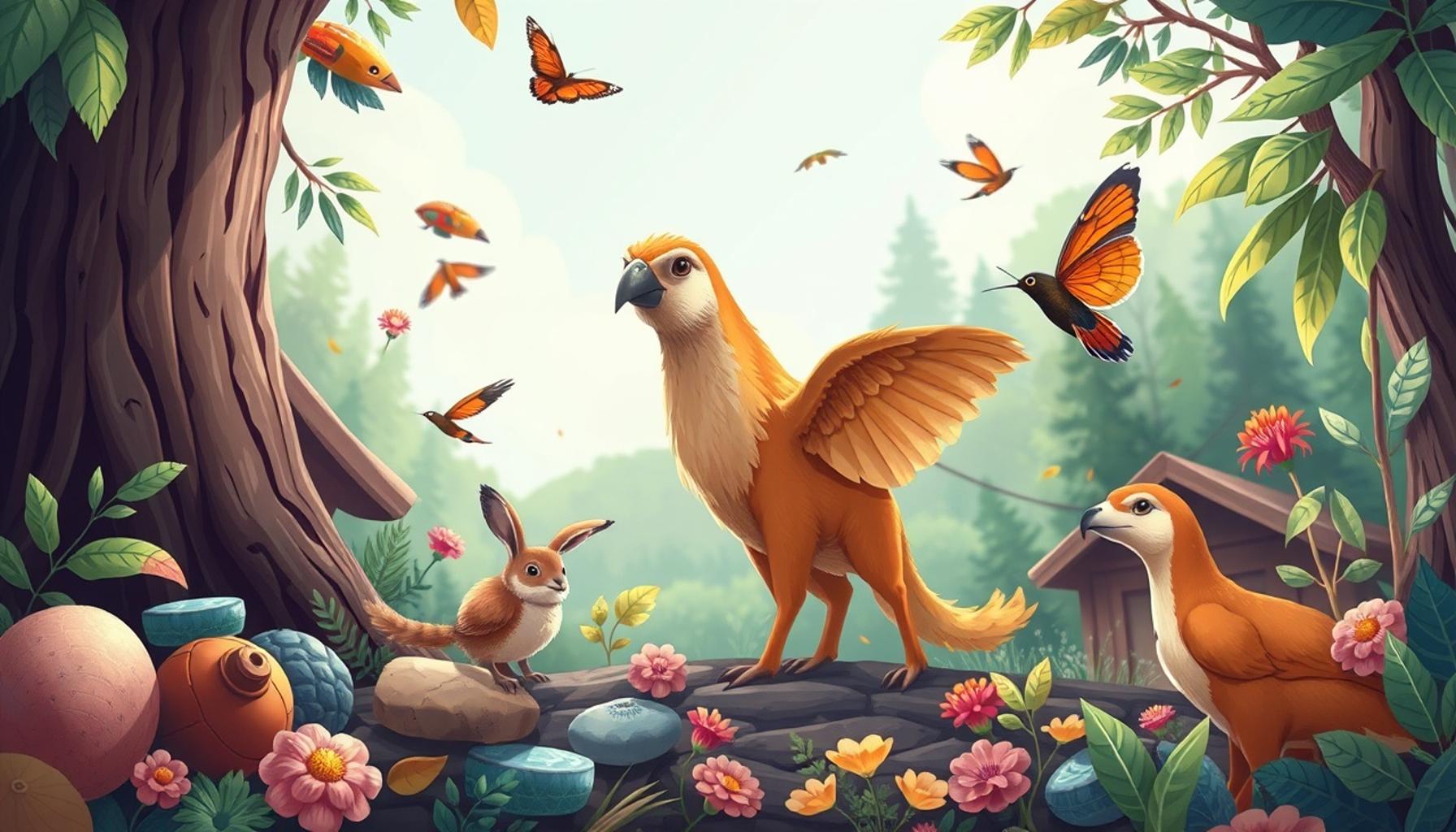
Pet owners are increasingly recognizing the critical role that environmental enrichment techniques play in improving their pets’ quality of life. Animals, like humans, can suffer from boredom and stress, leading to various behavioral problems such as excessive barking, destructive chewing, or aggression. To counteract these issues, an engaging and stimulating environment is essential, encouraging them to express their natural behaviors and ultimately improving their overall well-being.
So, what does environmental enrichment involve? At its core, it consists of diverse strategies designed to captivate your pet’s senses and intellect, providing mental and physical challenges that mimic their natural habitats and behaviors. Below are some key techniques to consider:
- Interactive toys: Toys that engage your pet’s mind, such as puzzle feeders, are particularly effective. They can stimulate natural foraging behavior, allowing pets to work for their food, thus making mealtime a fun challenge rather than a mundane routine. For instance, you might use a treat-dispensing ball that requires pets to roll it around to release treats, which engages their problem-solving skills.
- Varied habitats: Changing up your pet’s environment can significantly enhance their interest and exploration. Introducing different textures like carpets, tiles, or even cat trees can encourage your pet to explore. Additionally, incorporating new scents, like those from essential oils (ensure they are pet-safe), can intrigue your pet and prompt curiosity. Regularly rotating toys or rearranging furniture can also provide a fresh perspective on familiar spaces.
- Social interactions: Animals are inherently social beings, and regular playdates with other pets or training sessions with their owners can fulfill their social needs. These interactions not only offer physical exercise but also help alleviate anxiety, particularly in dogs that tend toward separation anxiety. Engaging in group training classes or dog parks will strengthen the social bonds between pets and humans alike.
Beyond these techniques, providing opportunities for pets to engage in natural behaviors—like scratching, chewing, digging, and climbing—can also significantly reduce stress and promote wellness. As owners in the United States seek deeper connections with their furry companions, understanding the significance of these methods is crucial. For example, a dog that regularly runs and plays with their owner is less likely to display destructive behaviors at home.
Embarking on the venture of environmental enrichment is not just a means of entertainment for pets; it can dramatically transform their behaviors and improve their emotional health. Simple adjustments in your pet’s daily routine can lead to happier, healthier companions. By taking the time to explore and apply these enriching techniques, you are not only enhancing your pet’s life but also deepening the bond you share—a rewarding experience that both you and your furry friend can enjoy together.
Key Strategies for Enhancing Pet Enrichment
To create a stimulating environment for your pet, it is essential to implement various environmental enrichment techniques that cater to their specific needs and natural instincts. Understanding the species and breed of your pet can provide invaluable insights into which activities will be most effective. Here are several strategies that can promote mental and physical health, nurturing their natural behaviors:
- Sensory Stimulation: Engaging multiple senses can enhance your pet’s environment. For example, incorporating sound through music or nature sounds can calm dogs and intrigue cats. Visual stimulation can be achieved through the use of mirrors, moving toys, or birdsong videos, while tactile engagement might involve different types of scratching posts for cats or textured toys for dogs. By introducing enriching sensory experiences, you can spark curiosity and participation in natural exploratory behaviors.
- Natural Foraging: In the wild, many pets spend considerable time searching for food. Recreate this behavior by hiding treats around the house or yard. Consider using grass or soil for digging, providing cats with digging boxes, or placing chew items in hard-to-reach spots. Such practices encourage pets to use their sense of smell and problem-solving skills, transforming mealtime into an exciting adventure rather than a commonplace activity.
- Physical Exercise: Regular physical activity is crucial for pets’ health and should be planned into their daily routine. Engaging in activities such as fetch for dogs or chasing strings for cats not only serves as exercise but also fosters instinctual behaviors—retrieving and hunting, respectively. An agile dog may benefit from obstacle courses, while a clever cat could thrive with climbing trees or shelves that elevate their play and exploration.
Cognitive Challenges can be effectively introduced through games that encourage problem-solving. Puzzle toys that dispense treats reward critical thinking, while interactive games involving hide-and-seek scenarios can draw out your pet’s inherent curiosity. Training sessions using positive reinforcement techniques not only stimulate intellect but also form a deeper bond between pet and owner.
Moreover, facilitating regular opportunities for pets to socialize is key to satisfying their innate social needs. Dogs, for instance, thrive on interaction, and group hikes or playdates at dog parks can provide both physical exertion and a chance to engage in friendly behavior with their peers. Similarly, when introducing new pets into a household, gradual integration and supervised interactions help to alleviate stress and foster camaraderie.
Creating a stimulating environment is not simply about adding new toys or altering physical spaces; it necessitates observant engagement with your pet’s needs and behaviors. By understanding the psychology behind environmental enrichment techniques, pet owners can unlock doors to a happier, healthier lifestyle for their companions. A well-enriched pet is a joy to be around, and as they exhibit their natural tendencies, they also demonstrate a direct reflection of the nurturing environment cultivated by their owner.
| Category | Description |
|---|---|
| CognitiveEnhancement | Implementing puzzle toys and problem-solving activities that challenge pets and encourage mental stimulation. |
| Physical Enrichment | Incorporating various climbing structures, tunnels, and play areas to promote exercise and exploration. |
Pet owners are increasingly recognizing the importance of environmental enrichment techniques to enhance the well-being of their animals. Cognitive enrichment not only alleviates boredom but also strengthens a pet’s mental capacity. By introducing puzzle toys that require them to think critically, pets can engage in behavior that mimics their natural instincts, such as foraging. For instance, hiding treats in these toys can spark curiosity and drive, effectively turning playtime into a rewarding experience.Similarly, physical enrichment builds a pet’s muscular strength and coordination while fulfilling their instinct to explore. Environments enriched with climbing structures and playful tunnels allow pets to exhibit natural behaviors like jumping and hunting. Ensuring your pet’s environment remains dynamic and challenging is vital in maintaining their physical as well as emotional health.
Exploring Additional Techniques for Pet Enrichment
While the earlier segments highlighted essential enrichment strategies, there are numerous additional environmental enrichment techniques that can further enhance your pet’s environment, catering to their unfulfilled instincts and desires. These methods focus on maximizing interactions and experiences that mimic what pets would encounter in their natural habitats.
- Interactive Playtime: Regular, dedicated interaction during playtime is crucial for reinforcing your pet’s mental and physical well-being. Utilizing tools like feather wands for cats or laser pointers can stimulate their natural hunting instincts and promote exercise. Equally engaging is the incorporation of toys that mimic prey, such as squeaky toys for dogs or toys that mimic the movement of small animals for cats. Not only does this serve as fun, but it also mentally challenges them, allowing them to exhibit natural predatory behaviors.
- Habitat Variation: Altering a pet’s environment periodically can prevent boredom and stimulate curiosity. Changing the layout of their play area, rotating toys, or even creating seasonal environments with different textures and scents can keep your pet engaged. For instance, bringing in leaves and branches for a mini outdoor experience can replicate foraging behaviors and provide varied sensory experiences. For small mammals, introducing tunnels and new bedding materials fosters exploratory behavior, mimicking elements from their wild habitats.
- Water Engagement: For pets that enjoy water, interactive water games can be an extraordinary source of both mental and physical enrichment. Dogs can benefit from engaging in fetch games at local water bodies, while cats may enjoy water fountains or shallow tubs where they can explore without getting entirely wet. The act of playing in water often stimulates curiosity, encouraging pets to use their paws and exploring their aquatic instincts.
Training Enrichment involves teaching new tricks or commands,, which serves to stimulate your pet’s cognitive abilities. Positive reinforcement methods during training sessions integrate fun with learning and can strengthen the bond between you and your pet. Consider using clickers or treats as rewards to encourage their progress. Activities like agility training not only offer mental stimulation but also contribute to your pet’s physical fitness and can be tailored based on the individual’s capability.
Furthermore, the role of aromatic enrichment should not be underestimated. Different scents can captivate a pet’s attention, triggering natural behaviors tied to their instincts. Providing catnip for cats or using scent trails for dogs can encourage sniffing and exploring behaviors, particularly in breeds that rely heavily on scent. Some pet owners even experiment with essential oils (ensuring they are pet-safe) to enrich the environment with pleasant aromas that calm or invigorate their pets.
Lastly, the implementation of naturalistic displays can greatly enhance a pet’s surroundings. For reptiles, having live plants, rocks, and hiding spots can simulate their natural habitats and reduce stress. For fish, aquascaping creates an aesthetically pleasing environment that encourages natural behaviors like hiding, swimming, and exploring. Such displays provide not only a sense of security but also an opportunity for pets to exhibit social behaviors when interacting with species-specific tank mates.
Using these diverse techniques can significantly impact a pet’s everyday life, making it vibrant and engaging. As pet owners, being proactive and creative in enhancing our companions’ environments leads to a more fulfilling life for our beloved animals, ensuring they experience happiness and security in their home. With a thorough understanding of environmental enrichment techniques, you can foster an inviting, stimulating atmosphere that mirrors the wild, ultimately allowing your pet’s natural behaviors to flourish.
Conclusion
In summary, understanding and implementing environmental enrichment techniques is vital for enhancing the quality of life for our pet animals. By creating an environment that stimulates their natural behaviors and instincts, pet owners can significantly contribute to their overall well-being. Engaging in interactive playtime, altering habitats, and introducing new sensory experiences are just a few strategies that prove essential in fostering happiness and mental stimulation for our beloved companions.
The exploration of additional enrichment methods, such as training, water games, and aromatic stimulation, highlights the endless opportunities available to keep your pet engaged and fulfilled. These activities not only prevent boredom but also allow pets to express their innate behaviors, leading to a healthier, more balanced life. Moreover, proper enrichment can strengthen the bond between pets and their owners, creating a harmonious living environment.
As we continue to learn more about the psychological and physical needs of pets, it is crucial to adapt our approaches and remain observant of our pets’ responses to various techniques. By taking a proactive and creative stance in enhancing their living conditions, we enable our furry, scaly, or feathery friends to thrive in a setting that mirrors their natural habitats. In turn, this not only leads us to a deeper understanding of their needs but also enriches the experiences we share with them, solidifying our roles as responsible and loving caretakers.
Ultimately, the responsibility lies with us to ensure that our pets live their best lives. By employing these environmental enrichment techniques, we can nurture their natural behavior and ensure they experience joy, comfort, and fulfillment within our homes.

Beatriz Johnson is a seasoned pet care expert and writer with a passion for simplifying the complexities of pet ownership and animal well-being. With over a decade of experience in the field, she specializes in topics like pet nutrition, training techniques, and health care. Through her work on our website, Beatriz empowers pet owners to make informed decisions and provide the best possible care for their furry friends, ensuring happy and healthy lives for their beloved companions.

Beatriz
Beatriz Johnson is a seasoned pet care expert and writer with a passion for simplifying the complexities of pet ownership and animal well-being. With over a decade of experience in the field, she specializes in topics like pet nutrition, training techniques, and health care. Through her work on our website, Beatriz empowers pet owners to make informed decisions and provide the best possible care for their furry friends, ensuring happy and healthy lives for their beloved companions.