Training Techniques for Reactive Dogs: Strategies to Manage Aggression and Fear
Understanding Reactive Dogs
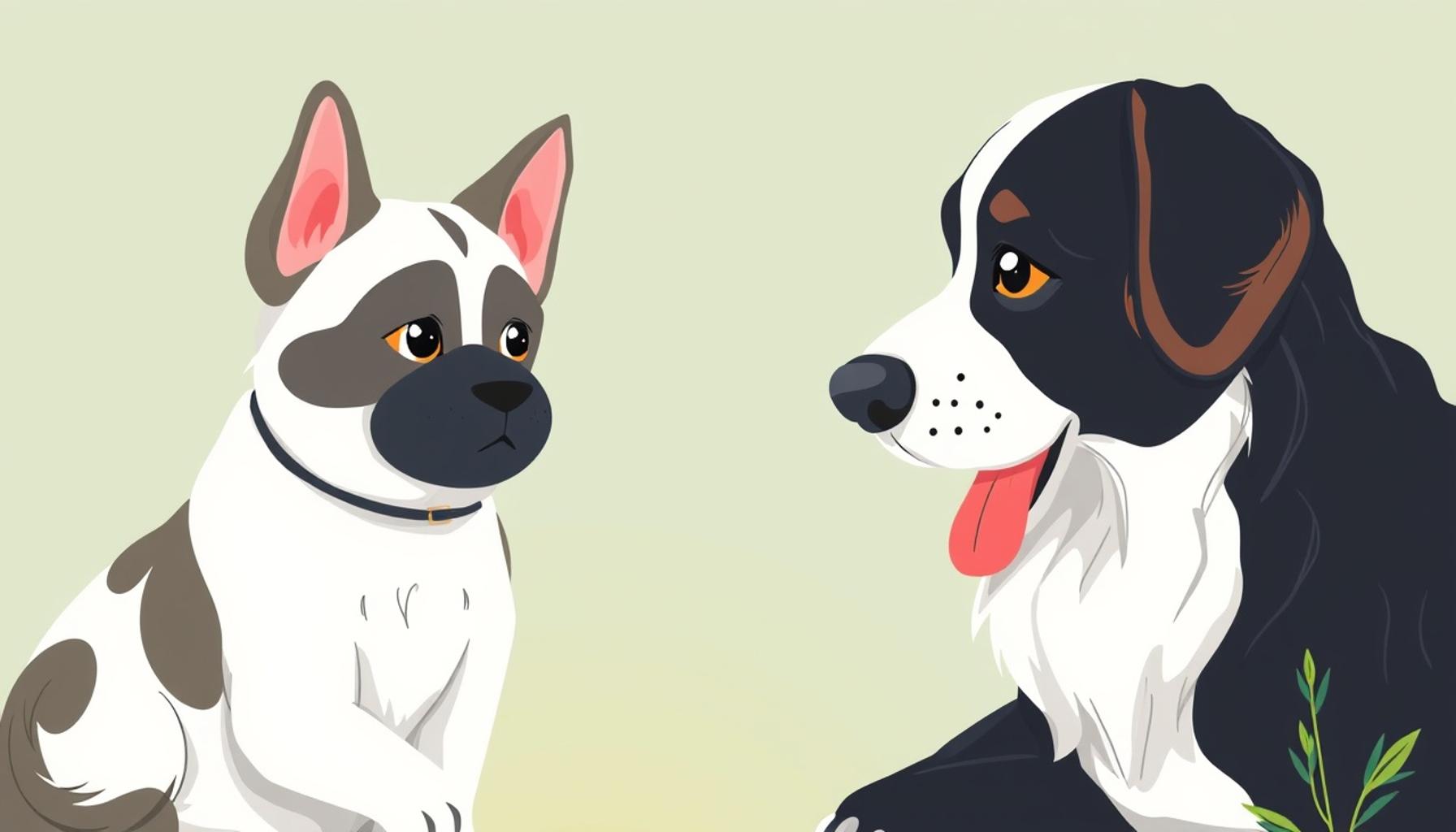
Living with a reactive dog can be a challenging experience. These dogs often exhibit behaviors such as barking, lunging, or growling due to fear, anxiety, or insufficient socialization. Such behaviors can be alarming for both the owner and the public, making it essential to understand the underlying causes and find effective management techniques. Addressing reactivity in dogs helps create a safer environment and fosters a more harmonious relationship between pets and their owners.
Why Reactivity Occurs
Reactivity can stem from various factors, each contributing to a dog’s behavior in unique ways. Understanding these reasons is crucial for implementing effective training methods.
- Genetics: Certain breeds are more prone to react aggressively due to their natural instincts. For example, terriers are known for their spirited demeanor, while herding breeds may react reactively to perceived threats to their flock.
- Poor socialization: Limited exposure to different people, animals, and environments during crucial developmental stages can lead to fearfulness. A dog that hasn’t been adequately socialized might react defensively when encountering new stimuli, such as strangers or other dogs.
- Trauma: Previous negative encounters often produce lasting fear responses. For instance, a dog that has been attacked may develop a severe reaction to other dogs, even if those dogs mean no harm.
Recognizing the Need for Training
Effective training techniques are essential to manage aggression and fear in reactive dogs. Recognizing the need for training is the first step toward improvement.
Here are key aspects to focus on when working with these dogs:
- Positive reinforcement: This method encourages desired behaviors by rewarding your dog with treats, praise, or playtime. For example, when your dog remains calm in the presence of a trigger—a passing dog or a loud noise—reward them immediately to reinforce this positive behavior.
- Desensitization: Gradual exposure to triggers in a controlled manner helps dogs become accustomed to what they fear. An example might involve starting at a distance from a dog that elicits reactivity and gradually decreasing that distance over time as your dog becomes more comfortable.
- Counter-conditioning: This technique changes a dog’s emotional response to specific stimuli. By associating the presence of a trigger with something positive—such as high-value treats or engaging activities—you can help shift their mindset from reactive to relaxed.
Taking the time to implement these strategies can transform your reactive dog into a more relaxed companion. The journey may require patience and consistent effort, but the rewards of a well-behaved pet are worth it. Exploring various training methods not only enhances your dog’s demeanor but also leads to a stronger bond between you and your furry friend. As we continue to discuss effective strategies for managing your dog’s reactivity, it’s crucial to prioritize understanding and compassion, recognizing that every dog has its unique struggles and triumphs.
Effective Training Techniques for Managing Reactivity
When dealing with reactive dogs, employing the right training techniques is essential in addressing issues of aggression and fear. The good news is that numerous strategies exist to help transform a reactive dog into a well-adjusted companion. Understanding these techniques and how to apply them effectively can make all the difference in your dog’s behavior and your overall experience as a pet owner. Below are some fundamental approaches to consider when training your reactive dog.
1. Establishing a Safe Environment
Before diving into specific training methods, it’s critical to create a safe environment for your dog. This includes minimizing exposure to triggers that may provoke reactivity, such as crowded areas or loud noises. Ensuring your dog has a dedicated space where they feel secure can significantly reduce anxiety. It could be a specific room or even a cozy crate where your dog can retreat when feeling overwhelmed.
2. Consistency is Key
In the world of dog training, consistency is paramount. Dogs thrive on routine and clear expectations. Developing a consistent approach not only aids in quicker learning but also builds trust between you and your dog. Whether you are using verbal cues or hand signals, ensure that everyone in the household follows the same commands and methods. This is crucial in reinforcing the desired behaviors and reducing confusion for your pet.
3. Implementing Training Techniques
As you embark on your training journey, here are several pivotal techniques that can yield positive results:
- Gradual Exposure: Begin by exposing your dog to triggers from a distance that does not provoke a reaction. Over time, slowly decrease this distance, rewarding calm behavior along the way. Patience is essential, as this process may take time, but the gradual exposure can help decrease sensitivity to these stimuli.
- Controlled Socialization: Once your dog is ready, arrange controlled interactions with other dogs and people. Use training classes focused on reactive dogs to create a supportive atmosphere where you can practice skills safely.
- Training Sessions in Short Bursts: Reactive dogs can become overwhelmed easily. Keeping training sessions brief, about 5-10 minutes, allows for focused learning without exhausting your dog’s attention span or increasing anxiety levels.
- Utilizing Distractions: When encountering potential triggers during walks or outings, use toys or treats to redirect your dog’s attention away from the source of their anxiety. This can help break the cycle of reactivity and reinforce calm behavior.
Training a reactive dog is undoubtedly a commitment but also a rewarding undertaking. Utilizing these techniques with patience and understanding not only improves your dog’s behavior but also enriches the bond you share. Each small victory brings you closer to the goal of a well-mannered companion that fits seamlessly into your lifestyle. Remember, it’s a journey, and every step forward is integral to managing your dog’s aggression and fear successfully.
| Training Techniques | Benefits |
|---|---|
| Desensitization | Reduces fear by gradually exposing the dog to stimuli in a controlled manner, helping them adapt more effectively. |
| Counter-conditioning | Transforms a negative response into a positive one through positive reinforcement, encouraging desirable behavior. |
| Positive Reinforcement | Builds trust and motivates dogs by rewarding them for displaying calm and non-aggressive behavior. |
| Focus Exercises | Enhances concentration, helping reactive dogs to redirect their attention away from triggers and towards their owner. |
Understanding these effective training techniques is crucial for dog owners aiming to manage reaction, aggression, and fear in their pets. As you explore each method, consider how these approaches can be tailored to fit your dog’s specific needs and temperament. Engaging with a qualified professional can further enhance the effectiveness of these strategies.
Advanced Strategies for Reactivity Management
While the foundational techniques of establishing a safe environment and maintaining consistency are crucial for managing reactive dogs, it is essential to delve deeper into advanced strategies that address aggression and fear more effectively. Incorporating these methodologies can foster a more profound understanding of canine behavior and promote lasting change in your dog’s reactivity.
4. Positive Reinforcement
One of the most effective tools in changing a dog’s behavior is positive reinforcement. By rewarding your dog with treats, praise, or playtime for displaying calm behavior, you are actively encouraging them to repeat those actions. For example, when out on a walk, if your dog remains calm upon seeing another dog or person, shower them with treats and positive words. Over time, this creates a positive association between the presence of a trigger and receiving rewards instead of reacting fearfully or aggressively.
5. Counter-conditioning Techniques
Counter-conditioning is a powerful technique that can help change your dog’s emotional response to a feared or aggressive trigger. This method involves changing your dog’s negative feelings about a specific stimulus into positive feelings. For instance, if your dog reacts negatively to other dogs, begin by observing a dog at a distance where your pet feels safe. While your dog sees the other dog, offer them high-value treats. This process not only helps your dog learn to associate other dogs with something pleasurable but also shifts their emotional state over time.
6. Desensitization
Complementary to counter-conditioning, desensitization involves gradually exposing your dog to a trigger at levels that do not provoke a reactive response. The key is to start at a very low intensity and slowly work your way up, ensuring that each new exposure remains non-threatening. For example, if your dog is reactive to the sound of barking, you might start by playing a recording of soft barking at a low volume, then progressively increase the volume as your dog remains relaxed. This systematic approach can eventually diminish your dog’s fear of the sound, leading to a more balanced response.
7. Seeking Professional Help
Training a reactive dog can be an intricate process, and sometimes you may require help from a professional. Enlisting the support of a certified dog trainer or behaviorist, particularly one specializing in reactivity, can offer tailored strategies and insights that cater to your dog’s unique needs. They can assist you in refining your techniques and ensuring you’re on the right path toward improving your dog’s behavior. Group classes designed for reactive dogs are also beneficial, as they provide a controlled setting for learning social skills without overwhelming your dog.
8. Enhancing Mental Stimulation
Often, reactive behavior is a manifestation of excess energy or boredom. Incorporating mental stimulation into your dog’s routine is essential to combatting this. Activities such as puzzle toys, obedience training sessions, or scent games engage your dog’s cognitive abilities, providing an outlet for their energy. Involving your dog in fun games like hide-and-seek or using interactive toys can also serve as crucial distractions during potentially triggering situations, contributing positively to your dog’s overall demeanor and reactivity levels.
Adopting these advanced strategies not only assists in managing fear and aggression but also enriches the quality of life for both you and your dog. Every technique serves as a step forward in understanding and reshaping your dog’s behavioral patterns, allowing for peaceful coexistence and companionship that enhances the bond between you and your furry friend.
The Path to Harmonious Canine Interactions
Effectively managing the challenges associated with reactivity in dogs requires a multifaceted approach, where understanding, patience, and commitment to consistent training techniques play pivotal roles. It’s important to recognize that each dog is an individual, with unique triggers and responses. Hence, engaging with your dog’s specific needs not only cultivates a smoother training experience but also opens the door to a stronger connection between you and your furry friend.
Implementing strategies such as positive reinforcement is crucial; this technique involves rewarding your dog for desirable behaviors rather than focusing solely on correcting negative ones. For example, if your dog remains calm around other pets or people, offering treats or praise will reinforce that behavior, making it more likely to occur again. On the other hand, counter-conditioning helps alter your dog’s emotional response to a negative stimulus. Through gradual exposure to their triggers, paired with rewarding calm behavior, dogs can learn to associate previously feared situations with a positive outcome. Similarly, desensitization plays a vital role, where a dog is slowly introduced to the trigger at a safe distance until they are comfortable, reducing their reactivity over time.
Engaging Activities and Professional Support
In addressing reactivity, enhancing mental stimulation is equally important. Engaging your dog in activities such as puzzle toys, agility exercises, or interactive games like fetch can combat boredom and pent-up energy, common culprits of reactive behavior. Such activities not only keep your dog occupied but also promote a healthy, balanced lifestyle, thereby reducing anxiety-driven reactions.
Furthermore, enlisting the help of a certified dog trainer can be invaluable. These professionals offer tailored guidance and strategies suited to your dog’s personality and reactivity triggers. They can work with you to develop a clear and structured training program, catering to individual progress and challenges. While engaging with a trainer, remember that flexibility and close observation are essential; what proves effective for one dog may not work for another, so adapting your approach may be necessary.
Fostering a Stronger Bond
The journey towards addressing reactivity is more than mere training; it is a mutual growth experience. By fostering a deeper understanding of canine behavior and employing these evidence-based training techniques, both you and your dog can experience a transformative shift in your relationship. Improved communication and awareness often result in a solidified bond, creating a loyal, well-adjusted companion capable of navigating social settings with confidence and calmness.
As you move forward on this shared path, you will not only enhance your dog’s quality of life but also enjoy the peace of mind that comes from a well-trained pet. Together, you can explore the world with renewed enthusiasm, proving that with dedication and love, overcoming reactivity is an attainable goal.

Beatriz Johnson is a seasoned pet care expert and writer with a passion for simplifying the complexities of pet ownership and animal well-being. With over a decade of experience in the field, she specializes in topics like pet nutrition, training techniques, and health care. Through her work on our website, Beatriz empowers pet owners to make informed decisions and provide the best possible care for their furry friends, ensuring happy and healthy lives for their beloved companions.

Beatriz
Beatriz Johnson is a seasoned pet care expert and writer with a passion for simplifying the complexities of pet ownership and animal well-being. With over a decade of experience in the field, she specializes in topics like pet nutrition, training techniques, and health care. Through her work on our website, Beatriz empowers pet owners to make informed decisions and provide the best possible care for their furry friends, ensuring happy and healthy lives for their beloved companions.