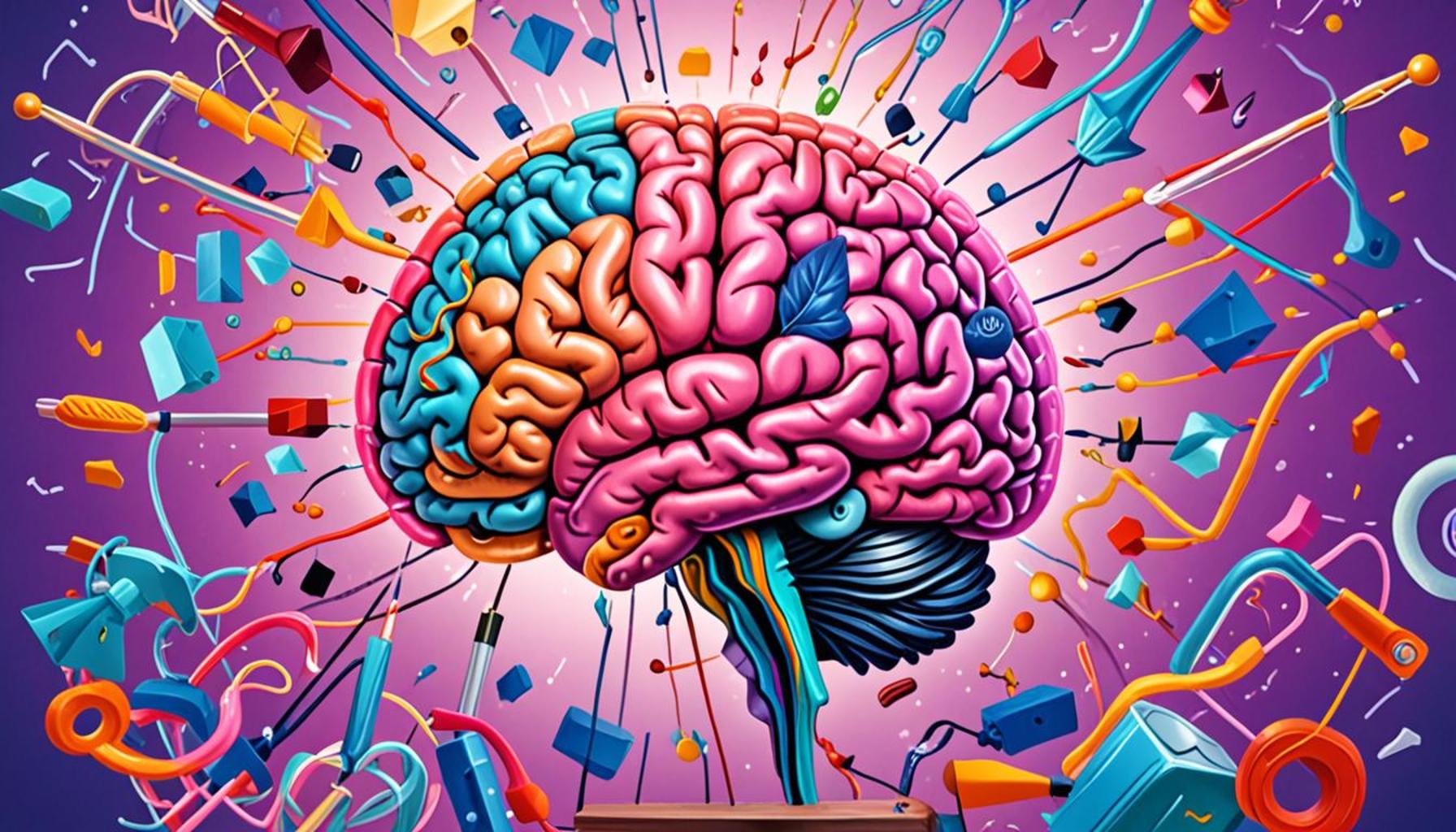
Unveiling the Benefits of Puzzles in Maintaining Cognitive Health in Older Adults
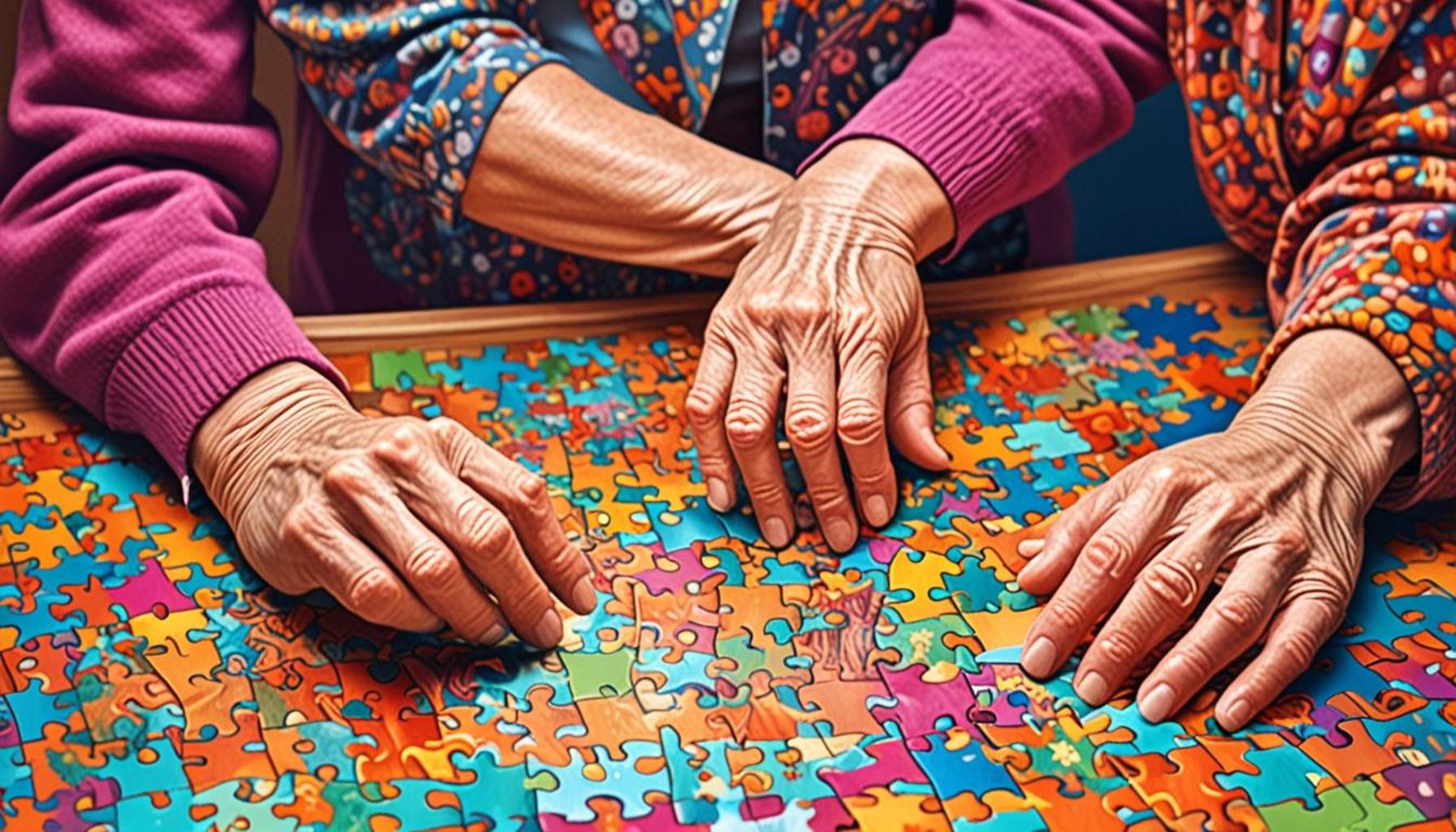
The Importance of Puzzles in Cognitive Health
As individuals advance in age, the significance of maintaining cognitive health becomes more pronounced. Mental well-being is not merely about the absence of cognitive diseases; rather, it encompasses the pursuit of mental vigor and agility. Engaging in stimulating activities can be a vital component of this pursuit, and one unexpectedly beneficial activity is the world of puzzles.
The engagement with puzzles offers a wide array of cognitive benefits that can significantly aid older adults in keeping their minds agile and improving overall cognitive function. Some notable advantages of incorporating puzzle-solving into an elderly person’s routine include:
- Improved Memory: Regularly tackling puzzles can enhance memory retention and recall. For instance, crosswords and Sudoku not only demand the use of memory but also sharpen one’s ability to retrieve stored information quickly.
- Enhanced Problem-Solving Skills: Puzzles inherently require critical thinking and strategy to succeed. The challenge of figuring out how pieces fit together, or completing a logic puzzle, can train the brain to approach everyday problems with greater efficacy.
- Increased Focus and Concentration: The act of completing a puzzle necessitates a high degree of concentration and attention to detail. This enhanced focus can translate into improved attention spans across various activities in daily life.
In addition to these cognitive benefits, studies have indicated that consistently engaging in mental exercises such as puzzles may help delay the onset of cognitive decline associated with aging. Research published in renowned journals, including the “Journal of Geriatric Psychology,” has shown that seniors who participate in mentally stimulating activities may exhibit a slower decline in cognitive functions compared to those who do not.
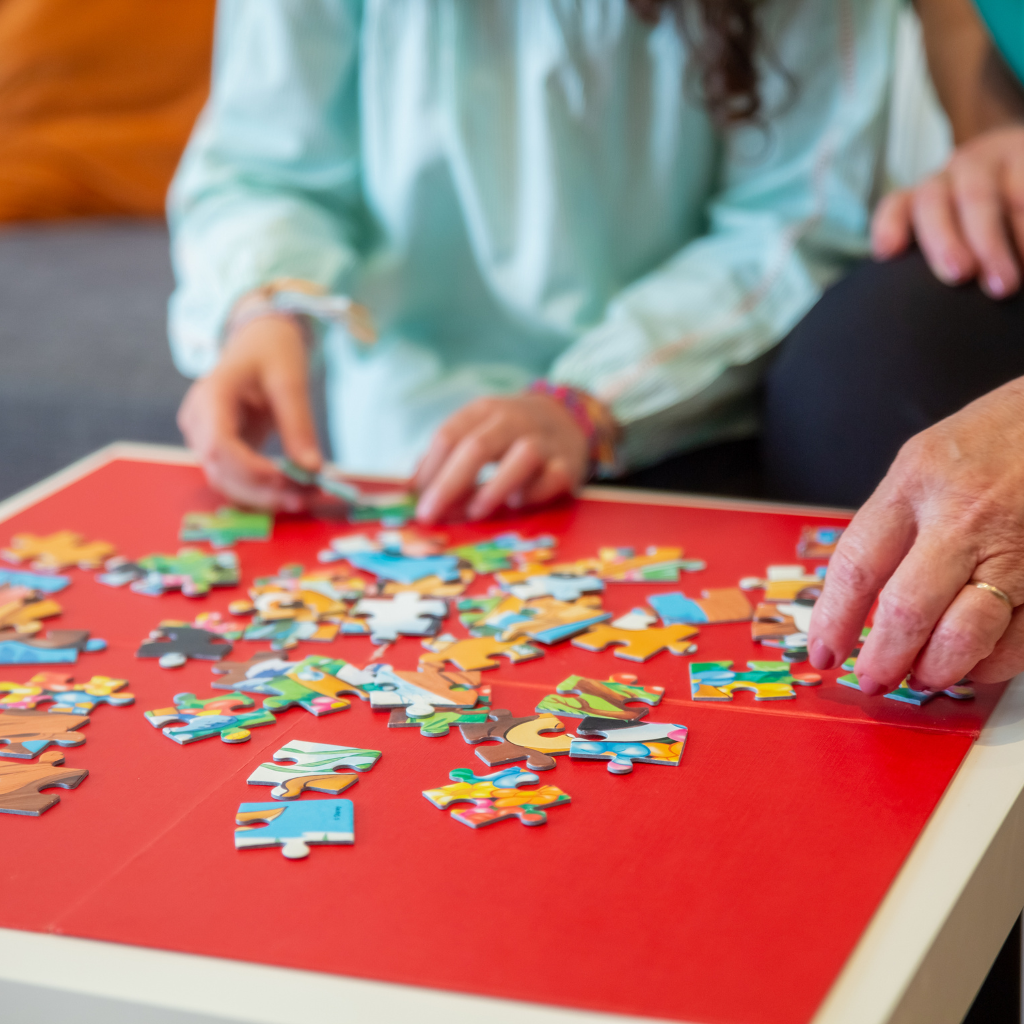
Moreover, puzzles have the added benefit of fostering social interaction, particularly when tackled collectively with family or friends. This collaborative aspect not only fortifies interpersonal connections but can also enhance the cognitive effects, as engagement with others encourages discussions that expand knowledge and understanding. Consider social puzzle nights, where groups gather to solve crosswords or jigsaw puzzles, creating a fun and inclusive environment.
In summary, puzzles serve as a powerful tool for maintaining cognitive health and enhancing quality of life among older adults. With numerous benefits ranging from improved memory to strengthened social bonds, it is highly worthwhile to explore these enriching activities. Taking the time to indulge in puzzling can be both enjoyable and mentally rewarding, paving the way for a healthier mind as we navigate the journey of aging.
DIVE DEEPER: Click here to discover more
Cognitive Stimulation Through Puzzle Solving
Puzzles serve as more than simply a pastime; they act as brain exercises that can sharpen cognitive functions and enhance emotional well-being among older adults. As the population ages, the need for effective strategies to combat cognitive decline grows increasingly essential. This is where puzzles shine, providing an engaging way to stimulate the mind while also bringing enjoyment.
Engaging with different types of puzzles can cater to various aspects of cognitive health. Research suggests that solving puzzles not only challenges the mind but also helps in building new neural connections. Neuroplasticity, the brain’s ability to reorganize itself by forming new neural pathways, can be nurtured through such activities, which ultimately leads to better cognitive resilience in older age. Here are several fascinating types of puzzles that can be particularly beneficial:
- Crossword Puzzles: These not only test vocabulary but also require knowledge recall and creative thinking, making them excellent tools for memory enhancement. They can aid in the preservation of verbal abilities, which is often one of the first cognitive areas to decline.
- Sudoku: These number-based puzzles enhance logical thinking and sequential reasoning skills. They engage different parts of the brain, encouraging the development of strategic thinking that can be applied in everyday problem-solving.
- Jigsaw Puzzles: Working with jigsaw puzzles can significantly improve spatial awareness and visual skills. The tactile nature of piecing together a puzzle provides not just a mental workout but also a gratifying sensory experience.
In addition to the cognitive advantages, studies highlight the emotional benefits of puzzle-solving. Engaging in puzzling provides a sense of purpose and achievement, crucial factors in mental health. Completing a challenging puzzle can stimulate the brain’s reward system, releasing dopamine, the neurotransmitter responsible for feelings of satisfaction, motivation, and pleasure. This phenomenon can lead to improved mood and lower levels of anxiety and depression, which are often prevalent in older adults.
Moreover, puzzles can be a catalyst for social interaction, providing opportunities for collaboration and teamwork. In a world where social isolation poses significant risks to cognitive health, getting friends or family involved in puzzle-solving can further enhance those benefits. Organizing puzzle parties or regular game nights can not only create memorable experiences but also serve as avenues for maintaining cognitive agility.
As the evidence mounts for the cognitive benefits of puzzles, incorporating these activities into a regular routine becomes increasingly compelling. They represent a simple yet effective approach to promoting cognitive health, driving home the message that engaging the brain is as vital as physical exercise for older adults. The journey of aging can be infused with vitality and engagement by embracing the intriguing world of puzzles.
Understanding the Cognitive Benefits of Puzzles
Puzzles are not merely a pastime; they play a critical role in maintaining and enhancing cognitive health in older adults. Engaging in various types of puzzles, such as crosswords, jigsaw puzzles, and Sudoku, stimulates brain activity, keeping the mind sharp and functioning efficiently. Studies have shown that regular puzzle-solving can help mitigate cognitive decline, increase memory retention, and improve problem-solving skills.
The Social Aspect of Puzzles
In addition to their cognitive benefits, puzzles also serve as a social activity. Many older adults engage in group puzzle-solving sessions, which promote interaction and communication, essential for mental well-being. This social engagement can reduce feelings of loneliness and depression, contributing to an overall healthier lifestyle.
Psychological Impacts
Moreover, puzzles can serve as tools for psychological well-being. The satisfaction derived from completing a puzzle can enhance self-esteem and provide a sense of accomplishment. This can lead to improved mood and decreased anxiety levels, showing that the mental benefits of puzzles extend beyond mere cognitive enhancement.
Encouraging a Lifelong Habit
Encouraging older adults to incorporate puzzles into their daily routines can be transformative. Setting aside time each day for puzzle-solving can foster a stimulating environment that promotes both cognitive health and emotional wellness. As more individuals discover the benefits of puzzles, the potential for improved quality of life and cognitive resilience becomes increasingly evident.
| Category | Details |
|---|---|
| Cognitive Stimulation | Puzzles enhance brain function and memory recall. |
| Social Interaction | Group puzzle-solving fosters relationships and combats loneliness. |
The dynamic engagement with puzzles not only nourishes the brain; it nurtures the spirit, providing a rich pathway to sustaining cognitive health in older adults. As you explore the depth of these benefits, consider how incorporating puzzles into your daily routine, or that of a loved one, can have lasting positive effects.
DIVE DEEPER: Click here to uncover more insights
The Role of Puzzles in Delaying Cognitive Decline
As older adults seek ways to preserve their cognitive health, the role of puzzles extends beyond mere enjoyment; it becomes a proactive measure against cognitive decline. Various studies indicate that activities such as puzzle-solving can have a significant impact on long-term brain health and promote longevity in cognitive functions. One such noteworthy analysis published in the ‘Journal of the International Neuropsychological Society’ reveals that older adults who engage regularly in intellectually stimulating activities—including puzzles—demonstrate reduced rates of cognitive decline compared to their sedentary counterparts.
Additionally, participating in puzzle activities can enhance working memory, a critical component for cognitive functioning, particularly as one navigates daily tasks. For instance, puzzles that require following complex rules, such as logic puzzles, can serve as exercises for this type of memory, enabling older adults to manage and manipulate information more effectively. This heightened ability serves them well in daily tasks that rely on quick thinking and recall, such as remembering where they left their keys or recalling appointments.
Furthermore, puzzles can play a vital role in reducing the risk factors associated with neurodegenerative diseases such as Alzheimer’s. According to a study conducted by the Alzheimer’s Association, older adults who routinely engaged in cognitive activities like puzzles exhibited a lower incidence of dementia. This compelling correlation underscores the importance of integrating puzzle-solving into daily routines, as it not only sharpens mental faculties but may also act as a buffer against neurodegeneration.
The Psychological Benefits of Group Puzzle Activities
The psychological advantages of puzzle-solving extend beyond individual benefits, influencing group dynamics and social engagement. Participating in group puzzle activities can foster a sense of community and support, encouraging older adults to stay socially active. Social interactions have a well-documented positive effect on cognitive health, often leading to increased feelings of belonging and self-worth. These communal activities promote teamwork, critical thinking, and even communication skills, all crucial aspects of cognitive health.
For example, community centers across the United States frequently host puzzle tournaments or collaborative puzzle nights, drawing individuals together not only for friendly competition but also for shared experiences that can stimulate the mind. The brain benefits from this social aspect as it finds further stimulation in conversation, laughter, and collaboration. Engaging in puzzles with a group accentuates the fun element while inadvertently enhancing cognitive functions through social interaction.
Accessibility of Puzzles in Diverse Formats
One of the most appealing aspects of puzzles is their accessibility in various formats, catering to a wide array of preferences and abilities. Whether it is traditional paper-based puzzles, digital versions available on tablets, or even interactive puzzles that incorporate physical activity, there’s a puzzle style for everyone. The rise of mobile applications that offer daily puzzles also opens avenues for tech-savvy seniors to engage their brains on the go, further enhancing the potential for cognitive engagement without the constraints of location.
Additionally, the adaptability of puzzles allows for different levels of difficulty to meet individual preferences, making them suitable for everyone from casual enthusiasts to those seeking a more rigorous challenge. This adaptability ensures that cognitive stimulation can be tailored to individual capacity, ensuring that older adults are neither overwhelmed nor under-stimulated, allowing for sustained engagement over time.
As the benefits of puzzles in maintaining cognitive health for older adults become increasingly evident, the inclusion of these activities in daily life can potentially invigorate the aging experience significantly. The collective advantages associated with the cognitive, psychological, and social aspects of puzzle-solving establish it not merely as a recreational outlet but as a vital component for a healthy, engaged lifestyle in later years.
DISCOVER MORE: Click here to enhance your memory skills
Conclusion
In conclusion, the exploration of the role puzzles play in enhancing cognitive health for older adults reveals an array of compelling benefits. From fostering mental agility and improving working memory to bolstering social connections and reducing the risk of neurodegenerative diseases like Alzheimer’s, puzzles serve as a vital tool in the toolkit for cognitive preservation. The multifaceted nature of these challenges—from traditional jigsaw puzzles to modern digital apps—makes them accessible to individuals across various skill levels and preferences, ensuring engagement that can sustain not only interest but cognitive stimulation over time.
The psychological and social implications of group puzzle activities underscore the importance of community in promoting cognitive health. In participating in these communal experiences, older adults not only sharpen their minds but also enjoy a renewed sense of belonging, countering the loneliness that can accompany aging. Additionally, the fun inherent in puzzle-solving can lead to enhanced emotional well-being, contributing to a more vibrant quality of life.
As the evidence supporting the benefits of puzzles continues to grow, it becomes clear that integrating these activities into daily routines is a proactive approach to fostering cognitive resilience in later years. Therefore, older adults are encouraged to embrace the challenge of puzzles—not merely as a pastime but as a pivotal practice to enhance cognitive health and social engagement. In doing so, they may find that the simple joy of solving a puzzle brings myriad rewards that extend far beyond the table.