The Impact of Musical Communities on the Construction of Social Networks and Creative Collaboration
The Impact of Musical Communities on Creativity and Collaboration
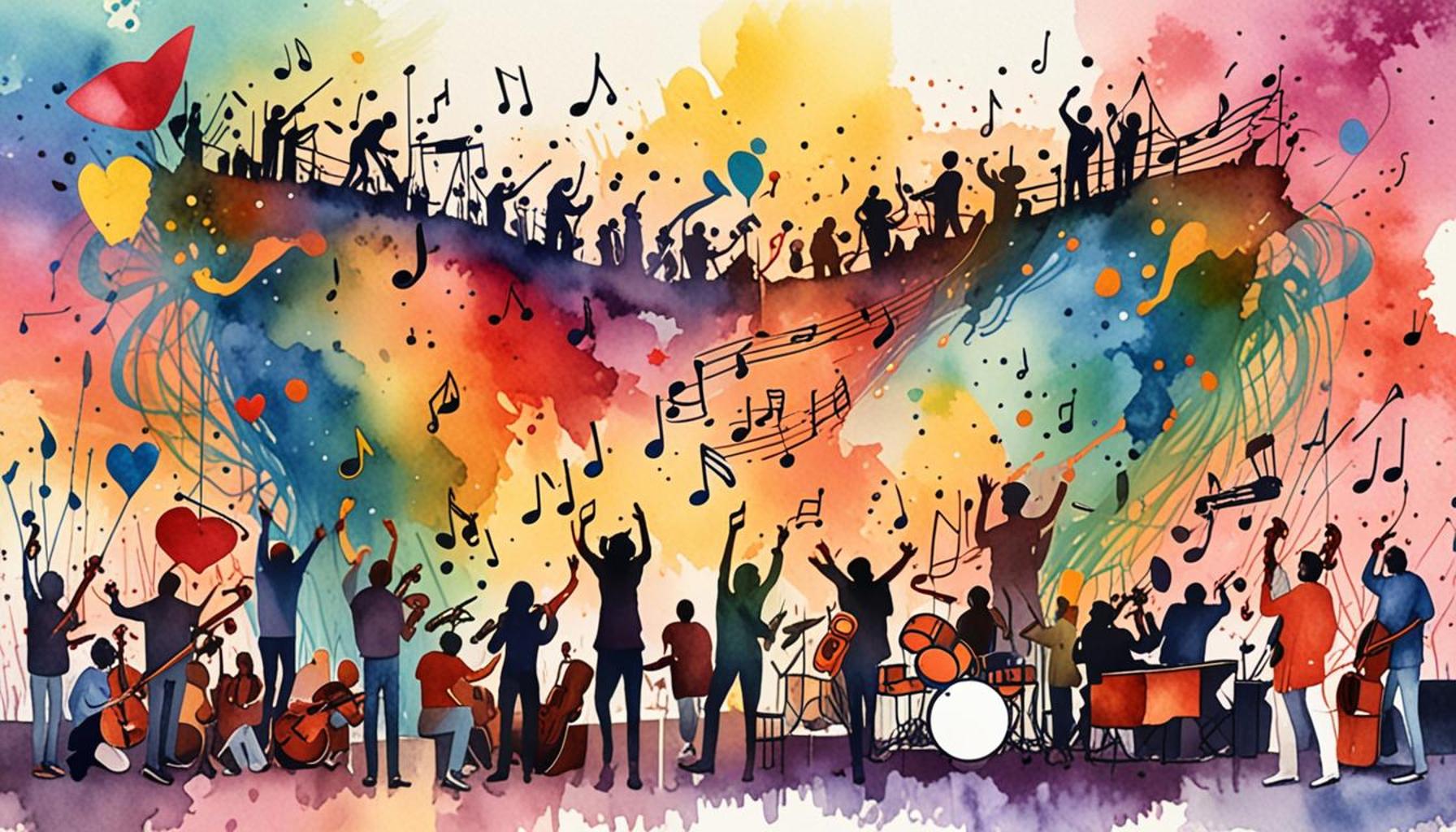
Musical communities serve as dynamic environments that nurture creativity and innovation, bringing together individuals from various backgrounds to collaborate and share their artistic expressions. These ecosystems are not just about making music; they encompass a wider array of interactions that significantly impact the lives of artists and fans alike.
One of the most notable aspects of these communities is the collaboration opportunities they provide. Musicians are increasingly stepping outside of their genre confines to work with artists from different musical styles. This cross-pollination of ideas fosters artistic growth and innovation, resulting in exciting new sounds. For example, the rise of country-pop collaborations, such as Florida Georgia Line’s work with artists like Bebe Rexha, showcases the richness that genre-blending can achieve. Such partnerships not only enhance the artists’ work but also appeal to a wider audience, further enriching the community.
Moreover, the networking potential within musical communities is vast. Local venues often serve as hubs where musicians can connect, perform, and interact with one another, while online platforms like Bandcamp and SoundCloud allow artists from different regions to encounter each other’s work. This accessibility broadens their professional contacts and creates opportunities for touring, co-writing, and even fan engagement, which can be essential for success in this competitive industry.
Furthermore, support systems play a crucial role in the fabric of these communities. Emerging artists often face significant challenges as they navigate the complexities of the music industry. However, communities are known for rallying around such individuals, providing them with both emotional encouragement and practical assistance—like sharing resources, offering studio space, or organizing crowdfunding initiatives. Take, for instance, the independent music scene in cities like Austin, Texas, known for its supportive atmosphere, where seasoned musicians mentor newcomers, fostering a sense of camaraderie and progression.
The fluid exchange of ideas and resources within these musical networks creates a rich tapestry of collaboration, driving innovative projects and impactful events. From grassroots DIY music festivals in urban areas to online jam sessions that span multiple states, the reach of musical communities keeps expanding, enabling artists to manifest their creativity in myriad ways.
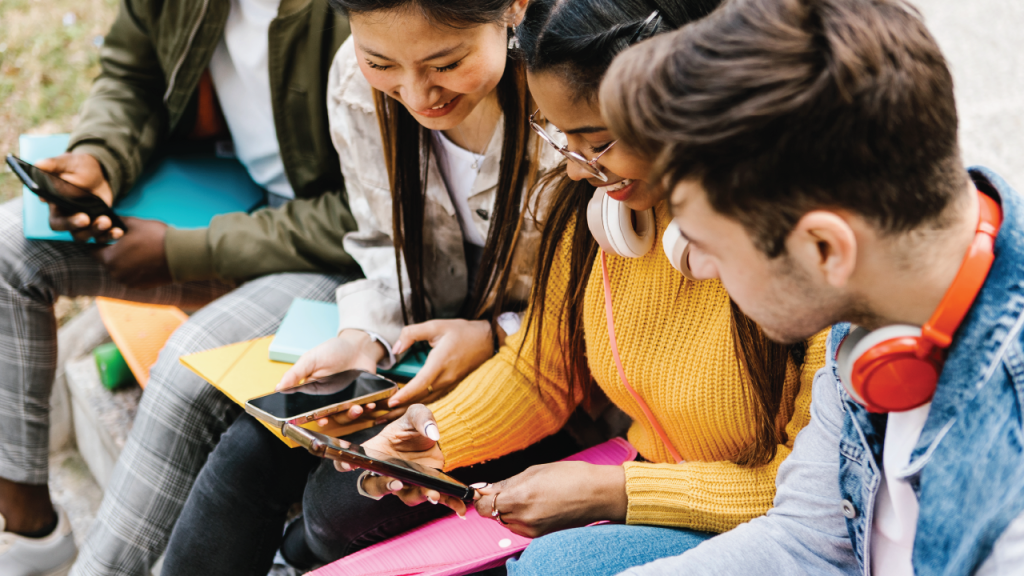
As the cultural climate in the United States continues to shift, understanding the intricate relationship between musical communities and social networks becomes increasingly pertinent. The convergence of collaboration and community not only influences individual musicians but also acts as a catalyst for cultural movements. It is through these vibrant networks of support that new genres emerge, trends evolve, and the very fabric of American music continues to be woven, illustrating the profound impact that these communities have on artistic expression.
DISCOVER MORE: Click here to learn about the healing power of cooking
Collaboration and Genre Blending in Musical Communities
The fabric of musical communities is woven with the threads of collaboration, where artists transcend traditional genre boundaries to experiment and innovate. This cultural melting pot allows musicians to engage in a rich dialogue that stimulates creativity and leads to unexpected artistic ventures. The collaboration not only enriches individual projects but also strengthens the overall community by fostering a spirit of shared ownership over new musical styles and expressions.
Research indicates that collaborative efforts are instrumental in the development of new artistic movements. For instance, the hip-hop scene has seen remarkable genre-blending, with artists like Lil Nas X successfully marrying country and rap, which opened the door for a new wave of cross-genre explorations. This intermingling enhances the relevance of various styles, allowing artists to capture diverse audience demographics and expand their listening base.
Additionally, many successful projects originate from simple jam sessions or open mic nights, which are common features of vibrant musical communities. During these informal gatherings, musicians can showcase their talents and invite feedback, leading to enhanced collaboration and creativity. As a result, local scenes often become incubation points for innovative music, aiding in creating a sense of belonging and purpose among artists.
Benefits of Collaboration in Musical Communities
- Enhanced Creativity: Working with artists from different backgrounds inspires new ideas and approaches, rejuvenating the creative process.
- Increased Exposure: Collaborations broaden the audience reach, as artists tap into each other’s fan bases, amplifying their visibility across various platforms.
- Resource Sharing: Artists involved in musical communities can access shared resources, such as equipment, rehearsal spaces, and promotional networks, reducing the costs of producing music.
- Support for Growth: Collaborative efforts help to develop vital skills and gain experience, enabling artists to evolve in their craft.
Moreover, technological advancements have catalyzed the evolution of collaboration. Online platforms and digital tools encourage musicians to work together, regardless of geographic barriers. This phenomenon has given rise to remote collaborations, where artists in different states or even countries create music together, expanding their potential for creative collaboration to a global scale. Platforms like Splice and Soundtrap facilitate such connections, allowing artists to contribute to projects without physically being in the same location.
The continual growth of these musical communities presents an evolving landscape rich in potential. As musicians engage more frequently in shared experiences and collaborations, the cultivation of social networks is transformed, laying the groundwork for future cultural movements. By nurturing connections within and beyond local scenes, these communities do not just produce music; they build a vibrant ecosystem that nurtures creativity, fosters innovation, and promotes personal and professional growth for all involved. In understanding the significant impact of musical communities, one can observe the powerful interplay between creative collaboration and social networking that ultimately shapes the music industry’s future.
The Role of Musical Communities in Networking and Collaboration
Musical communities operate as dynamic hubs of creativity, fostering connections that transcend geographical and social boundaries. In these vibrant environments, collaboration flourishes, leading to innovative outputs that may not emerge in isolation. The shared experiences among musicians create a robust foundation for interaction, ultimately strengthening social networks. This is particularly evident in online platforms where artists engage, share work, and solicit feedback, often leading to surprising partnerships that enrich their creative endeavors.The impact of such communities extends beyond mere collaboration; they play a critical role in identity formation among individuals. By engaging with like-minded peers, musicians develop personal style and a sense of belonging that can enhance their artistic expression. Social networks formed in these settings often lead to opportunities such as live performances, collaborative projects, and career advancements that would be less accessible outside such tight-knit circles.Moreover, the democratization of music production due to technology has magnified this impact. Home studios and social media have empowered both aspiring and established artists to share their work quickly and inexpensively. This accessibility not only amplifies individual voices but also encourages a culture of mutual support and creativity. In this interconnected world, the exchange of ideas and resources fosters collaborative innovation. For instance, genres can blend, leading to new sounds that defy traditional categorizations. This cross-pollination results in a more diverse music landscape, reflecting the complex interrelations among various musical influences. Through collaborative efforts, communities also champion social causes, using music as a medium for activism and awareness, reinforcing their significance beyond entertainment.As we explore the profound impact of musical communities, it is essential to understand how these networks become vital resources for artistic growth, collaboration, and social change. By examining these elements, we can appreciate the transformative power of music in fostering creative collaboration and building resilient social networks.
| Category | Advantages |
|---|---|
| Community Networking | Fosters collaboration and strengthens ties among artists. |
| Identity Formation | Enhances personal style and sense of belonging within a supportive environment. |
| Innovative Collaboration | Encourages blending of genres; production of new music styles. |
| Social Causes | Utilizes music for activism and awareness, deepening community engagement. |
DISCOVER MORE: Click here to uncover the connection between music and self-discovery
The Role of Community Events in Fostering Connections
Beyond individual collaborations, community events play a pivotal role in solidifying social networks within musical communities. Events such as music festivals, songwriter showcases, and neighborhood concerts provide rich opportunities for both established and emerging artists to engage with one another. These gatherings do not merely function as platforms for performance, but rather serve as vital social hubs where relationships are forged, mentorship opportunities arise, and knowledge is exchanged.
For instance, events like the SXSW Music Festival in Austin, Texas, or the Newport Folk Festival in Rhode Island are renowned for fostering connections that transcend geographical barriers. Artists, industry professionals, and fans converge to celebrate their shared passion for music, resulting in spontaneous collaborations that can shape the future of an artist’s career. The dynamic atmosphere of such events encourages musicians to share their influences, techniques, and insights, leading to a palpable energy that enhances both creativity and community spirit.
Networking through Local Initiatives
Local initiatives, such as community radio stations and artist collectives, also serve as foundational elements of musical communities. Stations like WFMU in New Jersey and KEXP in Seattle not only broadcast diverse music but actively participate in promoting local artists through interviews, live sessions, and events. These platforms create a sense of belonging and advocacy for musicians by amplifying their voices and introducing them to broader audiences.
In addition, artist collectives like The Good Will Club in Nashville exemplify how musicians can support one another beyond the mere exchange of music. These collectives offer workshops, showcase opportunities, and support systems that allow artists to develop their skills and navigate the industry. By cultivating an environment of collaboration and shared ambition, such initiatives significantly impact the growth of social networks, ensuring that no artist feels isolated in their creative journey.
Importance of Inclusivity and Diverse Representation
The impact of musical communities is further magnified through their commitment to inclusivity and diverse representation. These communities often aim to include voices from underrepresented demographics, subsequently enriching their networks and collaborative efforts. The rise of movements such as Women in Music and initiatives focused on LGBTQ+ artists have transformed the landscape, promoting a culture where differing perspectives can contribute to artistic innovation. Events specifically highlighting diverse artists open avenues for collaboration and provide a platform for narratives that add depth to the musical fabric of a community.
Moreover, the importance of fostering inclusive spaces cannot be overstated. Safe environments encourage creativity and experimentation, allowing artists from various backgrounds to share their stories, thereby inviting fresh collaborations and sparking innovative sounds that reflect a more comprehensive artistic narrative. This dynamic odyssey is crucial in ensuring that musical communities are not only thriving ecosystems but also vibrant cultural landmarks.
As communities continue to grow and adapt, the synergy between creative collaboration and social networking will undoubtedly shape the artistic landscape further. The multitude of connections created through community events, partnerships, and initiatives demonstrates how vital these networks are for nurturing talent and encouraging collaboration across diverse musical genres.
DISCOVER MORE: Click here to learn about sustainable cuisine
Conclusion: The Resounding Influence of Musical Communities
The exploration of musical communities reveals their profound impact on social networks and creative collaboration. As evidenced throughout this discussion, the gatherings, initiatives, and inclusive practices foster an environment where artists can thrive, connect, and innovate. These communities act as incubators of talent and creativity, cultivating rich relationships that transcend mere professional connections.
Not only do community events such as music festivals encourage collaboration among artists, but they also serve as gateways for local voices to gain wider recognition. Initiatives like community radio stations amplify the narratives of underrepresented artists, ultimately enriching the overall musical landscape. Furthermore, the emphasis on inclusivity significantly empowers marginalized groups, ensuring diverse representation that broadens both the network’s scope and the creative potential within it.
As we look to the future, the interplay between creativity and social connection remains essential to the evolution of musical communities. The myriad of partnerships nurtured in these environments will likely continue to yield innovative sounds and collaborative projects that reflect a fusion of cultures and experiences. Furthermore, as technological advancements enable even greater connectivity, there is potential for these networks to expand globally, opening new avenues for artistic expression.
Ultimately, the strength of musical communities lies in their ability to cultivate relationships and facilitate collaboration, highlighting the importance of shared passion in driving artistic innovation. The journey of each artist within these networks underscores a powerful truth: that through collaboration and connection, we can create a vibrant tapestry of sound that resonates far beyond the individual, enriching both our communities and our collective musical heritage.