Menu

The Influence of Logic Puzzles on Analytical Thinking Skills

Logic puzzles enhance analytical thinking skills by promoting problem-solving, decision-making, and cognitive flexibility. Engaging with various types of puzzles boosts critical thinking and fosters collaboration, providing substantial benefits in both personal and professional settings. Incorporating them into daily routines unlocks potential for improved mental agility and cognitive development.

Exploring the Benefits of Crossword Puzzles on Language and Problem-Solving Skills

Crossword puzzles enhance language skills and problem-solving abilities by expanding vocabulary, improving memory, and fostering critical thinking. Engaging in these cognitive exercises promotes mental agility and social connections, making them a valuable resource for personal growth and lifelong learning in an enjoyable format.

How Chess Improves Cognitive Flexibility and Decision-Making

Chess enhances cognitive flexibility and decision-making by promoting critical thinking, problem-solving, and adaptability. Engaging in this strategic game cultivates skills that translate into real-life scenarios, empowering players to make informed decisions under pressure and navigate complex challenges effectively, benefiting both academic and professional pursuits.

Enhancing Memory Through Memory Games and Puzzles

Memory games and puzzles are effective tools for enhancing memory and cognitive function. Engaging in these activities promotes mental agility, creates new neural connections, and fosters social interaction. Incorporating these games into daily routines can significantly improve memory retention and overall brain health for individuals of all ages.

How Brain Teasers Can Boost Creativity and Innovation

Brain teasers enhance creativity and innovation by promoting cognitive flexibility, divergent thinking, and improved focus. Engaging with puzzles stimulates problem-solving skills and fosters collaboration, making them invaluable in personal and professional settings. Incorporating these mental challenges into daily routines can unlock new insights and drive innovative solutions.

The Relationship Between Puzzle Complexity and Cognitive Load in Problem Solving

This article explores how puzzle complexity impacts cognitive load in problem-solving. It reveals that appropriately challenging puzzles enhance critical thinking and learning, while excessive complexity can lead to cognitive overload and decreased performance. Understanding this relationship aids in educational, therapeutic, and workplace settings, promoting improved problem-solving skills.

Boost Memory Focus How Puzzles Enhance Adult Cognitive Skills

Engaging in mind games and puzzles sharpens memory and enhances focus. These activities improve problem-solving skills, stimulate creativity, and bolster cognitive flexibility. Regular participation can delay cognitive decline, making puzzles an enjoyable yet powerful tool for boosting mental agility and overall brain health in adults.

Boost Kids Cognitive Skills with Logic Games Key Development Insights

Engage children's minds with captivating puzzles and logic games that enhance critical thinking, problem-solving, and memory. These activities not only spark curiosity but also boost cognitive development by encouraging strategic thinking and perseverance, making learning an enjoyable adventure for young minds.

The influence of logical reasoning games on the development of cognitive skills in children

Logical reasoning games have a profound influence on children's cognitive development, enhancing problem-solving abilities, critical thinking, and creativity. Research indicates that regular engagement with these games improves memory retention and fosters essential social skills, making them vital tools for nurturing future-ready learners in today’s educational landscape.

Unveiling the Benefits of Puzzles in Maintaining Cognitive Health in Older Adults

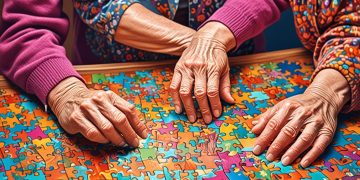
Puzzles play a crucial role in maintaining cognitive health in older adults, enhancing memory, problem-solving skills, and social interaction. Engaging in puzzles not only sharpens the mind but also fosters emotional well-being, making them an enjoyable avenue for promoting cognitive resilience and combating age-related decline.