Menu

The Art of Textual Riddles: How to Create Riddles That Challenge the Mind

Discover the captivating world of textual riddles, where creativity meets cognitive challenge. Learn essential techniques for crafting intriguing puzzles that engage audiences, stimulate critical thinking, and foster social connections. Explore the balance of clarity and ambiguity while utilizing language and context to create memorable riddle-solving experiences.

Unveiling the Benefits of Puzzles in Maintaining Cognitive Health in Older Adults

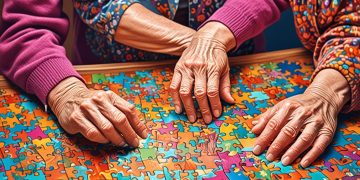
Puzzles play a crucial role in maintaining cognitive health in older adults, enhancing memory, problem-solving skills, and social interaction. Engaging in puzzles not only sharpens the mind but also fosters emotional well-being, making them an enjoyable avenue for promoting cognitive resilience and combating age-related decline.

Development of Strategies in Puzzles: Critical Thinking and Creativity in Action

Puzzles enhance critical thinking and creativity by fostering cognitive skills through varied strategies. Engaging with logic puzzles, crosswords, and jigsaws helps develop problem-solving abilities and encourages collaboration. By cultivating a mindset that thrives on innovative approaches, individuals can navigate complex challenges in personal and professional contexts effectively.

Exploring the Impact of Puzzles on Cognitive Flexibility and Memory Enhancement

Puzzles significantly boost cognitive flexibility and memory enhancement, engaging various brain functions and promoting neuroplasticity. These activities improve problem-solving skills, memory retention, and adaptability while reducing stress. As accessible entertainment, puzzles are powerful tools for cognitive development across all age groups, fostering long-term brain health.

The Role of Brain Games in Improving Memory Retention

Brain games are valuable tools for enhancing memory retention and cognitive abilities. They provide structured challenges that stimulate various mental skills, promoting neuroplasticity and active engagement. Regular participation can lead to improved recall, focus, and mental agility, making them essential for cognitive health and lifelong learning.

The Role of Logic Games in Creative Problem Solving in Everyday Life

Logic games enhance creative problem-solving skills by fostering critical thinking, adaptability, and decision-making. Engaging with these structured challenges not only boosts cognitive flexibility but also cultivates a growth mindset, enabling individuals to tackle everyday dilemmas with innovation and confidence in various aspects of life.