Experimental Cuisine: A Fusion of Unusual Flavors and Ingredients
The Thriving Scene of Experimental Cuisine
In today’s culinary landscape, experimental cuisine stands out as a revolutionary movement challenging the norms of how we view food and dining. This inventive approach invites chefs to venture beyond traditional techniques and flavors, reshaping our experiences at the table. Drawing inspiration from various global culinary traditions, this genre captivates chefs and diners alike by merging art and gastronomy.
Unusual Flavor Combinations
At the heart of experimental cuisine are unusual flavor combinations. Think of unexpected pairings that strike a harmonious balance between contrasting tastes, such as sweet and savory. A prime example is chocolate and blue cheese; the creaminess of the cheese can enhance the bitterness of dark chocolate, creating a sophisticated profile that challenges diners’ expectations. Other daring combinations include bacon-wrapped dates drizzled with balsamic glaze or chili-infused mango salsa served with grilled fish. These creative mergers not only excite the palate but also encourage adventurous eating and exploration.
Innovative Techniques
Another hallmark of this culinary genre is the use of innovative techniques. Chefs have embraced methods like spherification, which transforms liquids into caviar-like spheres that burst with flavor, providing a playful and surprising texture to dishes. Sous-vide, a cooking method involving vacuum-sealed food submerged in a water bath, results in perfectly cooked meats that retain moisture and flavor. These techniques allow chefs to manipulate food in ways that were previously unimaginable, creating a multisensory dining experience.
Eclectic Ingredients
Eclectic ingredients play a crucial role in the experimental cuisine landscape. Chefs often traverse far and wide for unique elements, like foraged mushrooms, edible flowers, and exotic spices. For instance, incorporating ingredients like yuzu, a citrus fruit from East Asia, can infuse dishes with a refreshing brightness that enhances more traditional ingredients. Similarly, chefs may use things like black garlic or activated charcoal to elevate not just the flavor but also the visual appeal of their dishes.
From food trucks bustling in Los Angeles to Michelin-starred establishments in New York City, the experimental cuisine scene is booming. Esteemed chefs such as Grant Achatz of Alinea and José Andrés of Minibar are making headlines with their boundary-pushing dishes that challenge the status quo of fine dining, often telling a story or evoking emotions through their presentations.
Foraging and Sustainability
Additionally, the themes of foraging and sustainability have become central in experimental kitchens. Chefs are increasingly turning to local sources for fresh ingredients, tapping into the idea of farm-to-table by foraging for wild herbs, greens, and mushrooms. This practice not only supports local ecosystems but also enhances the flavor and authenticity of dishes. Restaurants now emphasize seasonal menus that showcase what is currently at its peak, offering diners a unique experience with each visit.
As we delve deeper into this fascinating culinary movement, it is clear that experimental cuisine invites us to redefine our dining experiences. The daring flavor explorations, innovative techniques, and commitment to sustainability engage chefs and food enthusiasts alike, expanding horizons and challenging perceptions. Explore the tantalizing world of experimental cuisine, where every meal promises to be an adventure!
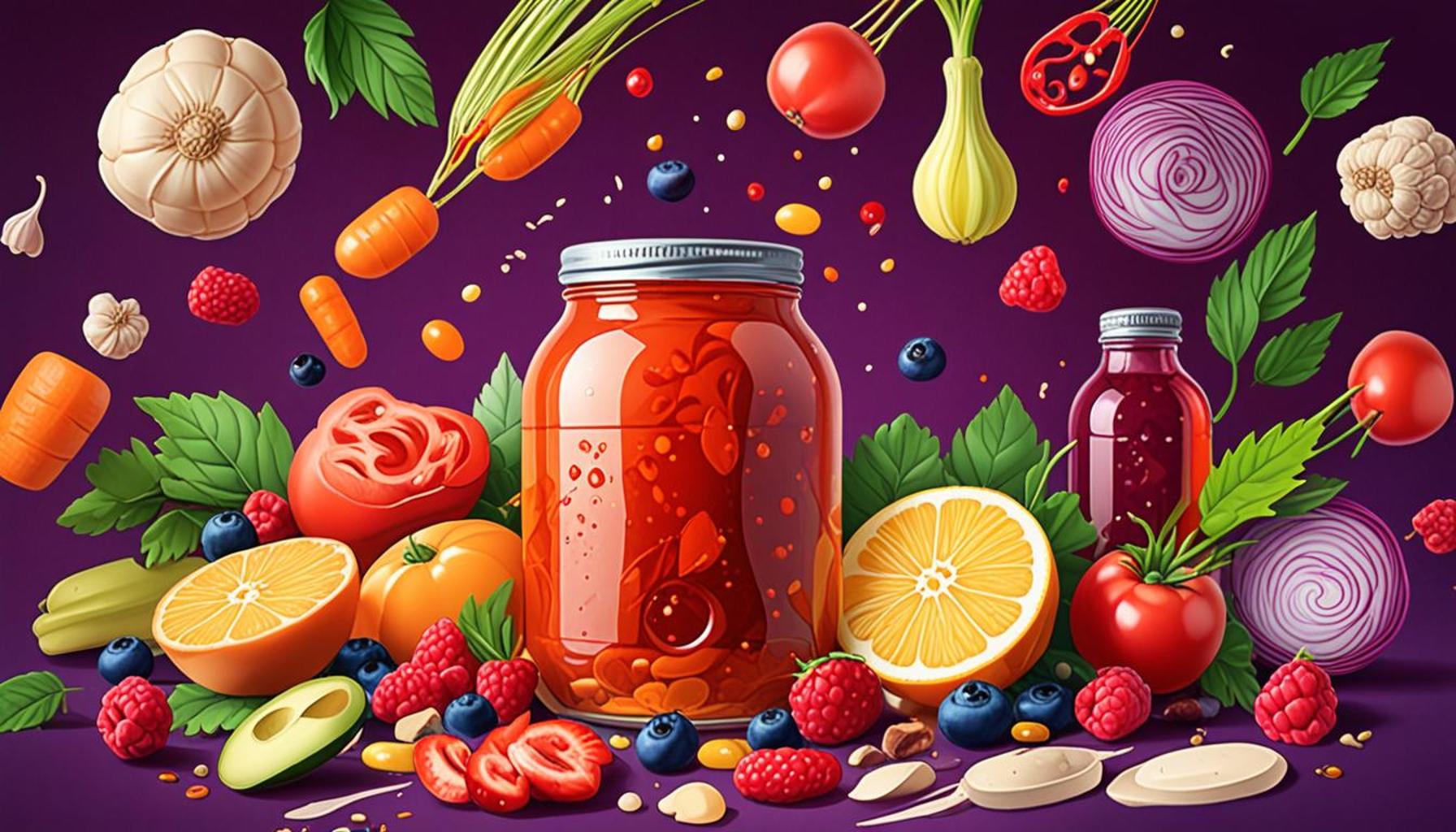
DIVE DEEPER: Click here to discover the art of homemade fermentation
Exploring the Edges of Culinary Creativity
The realm of experimental cuisine is not merely a trend; it represents a profound shift in how we approach cooking and food consumption. Within this vibrant world, chefs serve not just meals, but thoughtfully crafted experiences designed to engage the senses and to provoke thought. The culinary landscape is evolving rapidly, and part of this evolution lies in the daring exploration of unusual flavors—those unique combinations that can tantalize the taste buds and surprise the diner.
Surprising Flavor Profiles
The magic of experimental cuisine often lies in the unexpected flavor profiles that skilled chefs deftly weave together. This culinary genre dares to embrace the unlikely, resulting in combinations that may initially seem odd but ultimately deliver an unforgettable taste sensation. Some examples of these surprising pairings include:
- Beetroot and Chocolate: This duo enhances the earthiness of beets while elevating the rich note of chocolate, creating a dish that bursts with complexity.
- Ginger and Pear: A refreshing twist that combines the zing of ginger with the sweetness of fresh pears, perfect for salads or desserts.
- Wasabi and Fruit: The heat of wasabi transforms the taste of fruits like watermelon or kiwi, introducing a playful spiciness to sweet flavors.
- Curry and Coconut Ice Cream: The warm spices of curry seamlessly blend with the creamy coolness of coconut ice cream, resulting in an innovative dessert experience.
These combinations challenge preconceived notions about how specific ingredients should interact, inviting diners on a culinary journey full of exploration and surprise. By pushing the boundaries of taste, chefs invite us to reconsider our existing preferences and embrace new experiences.
Texture and Presentation
In addition to flavor, the aspect of texture holds significant weight in experimental cuisine. Chefs are increasingly focused on incorporating a variety of textures within single dishes, further enhancing the eating experience. From crispy and crunchy elements contrasting with smooth or creamy bites, this layering creates not just a meal, but an engaging adventure for the senses. Textural play can involve the use of freeze-drying, which produces light and airy snacks, or incorporating foams that introduce unexpected lightness to heavier ingredients.
Moreover, presentation is key in the world of experimental cuisine. The visual aspect of dishes often tells a story about the ingredients and techniques used, engaging diners even before the first bite. Artful plating, vibrant colors, and creative arrangements are all essential elements that transform meal presentation into a feast for the eyes as well as the palate.
As we further explore the mesmerizing world of experimental cuisine, it becomes evident that this culinary journey invites both chefs and diners to break free from culinary conventions. The fusion of unusual flavors, innovative textures, and creative presentations provides an arena for continuous discovery—a test bed for flavors that invite constant reinvention.
Exploring the Elements of Experimental Cuisine
Experimental cuisine is an adventure that transcends traditional culinary boundaries. Driven by creativity and innovation, this culinary approach invites chefs and food enthusiasts to daringly combine unexpected flavors and ingredients. By harnessing the principles of molecular gastronomy and fusion cooking, experimental cuisine showcases a multitude of possibilities that tantalize the palate and ignite the senses. The importance of unusual ingredients cannot be understated. From the umami-rich depth of miso to the vibrant zest of yuzu, these elements provide a canvas for chefs to paint extraordinary dishes. Imagine a dish featuring squid ink paired with mango sorbet, creating an enticing blend of flavors and visual allure. This is where culinary art meets science, leading to a unique dining experience.Moreover, the role of sustainability in experimental cuisine is increasingly pivotal. Many chefs are now leveraging local, seasonal produce and innovative techniques to minimize waste. For instance, employing pickling methods for surplus vegetables or constructing dishes that utilize by-products promotes a responsible relationship with food resources. This not only enhances the flavor profiles but also helps in building a sustainable culinary future.To elevate the experience even further, diners are encouraged to step out of their comfort zones. Engaging with dynamic dishes encourages exploration and provides an opportunity to discover newfound favorites. Through the lens of experimental cuisine, the interaction of taste, texture, and presentation leads to a sensory journey that challenges our perceptions of food.Finally, the communal aspect of dining cannot be overlooked. Sharing innovative dishes around the table turns meals into collaborative experiences. This reflects the ethos of experimental cuisine, which thrives on the idea of sharing stories, traditions, and cultures through the fusion of diverse flavors and ingredients. Exploring this culinary realm is not just about eating; it’s about embarking on an unforgettable journey of discovery that resonates with the essence of culinary creativity.
| Category | Description |
|---|---|
| Unusual Ingredients | Combining unexpected elements like squid ink and mango creates unique flavor profiles. |
| Sustainability | Utilizing local produce and minimizing waste enhances the culinary experience responsibly. |
This narrative around experimental cuisine serves not only to intrigue the reader but also to encourage them to participate in the ongoing conversation about food innovation, sustainability, and the power of flavor. Through this exploration, the palate is opened to a wealth of gastronomical possibilities waiting to be discovered.
DISCOVER MORE: Click here to unlock your earning potential
Ingredients that Challenge Tradition
In the landscape of experimental cuisine, it’s not just about the flavor combinations, but also the ingredients that chefs choose to work with. A growing number of culinary artists are tapping into unconventional ingredients that might have been overlooked in traditional cooking methods. These ingredients not only introduce unique flavors but also challenge our understanding of what foods can be.
Adventurous Staples
The rise of experimental cuisine has seen chefs experimenting with a wider array of staples. For instance, instead of the beloved potato, some modern kitchens are embracing celeriac—a root vegetable with an earthy flavor often described as a cross between celery and parsley. This ingredient can be transformed into purées, chips, or used as a base for soups, offering a fresh take on comfort food. Similarly, quinoa and farro have replaced rice in various dishes, bringing an added nutty flavor and texture while being packed with nutrients.
Another ingredient that has made its way into experimental cuisine is edible flowers. With varieties such as nasturtiums, which have a peppery taste, or violets, which provide a floral sweetness, chefs are using these delicate blooms not just for decoration, but as integral components of their dishes. When infused in dressings, salads, or desserts, they add both visual appeal and surprising flavor notes.
Global Inspirations
The essence of experimental cuisine often lies in its embrace of global culinary influences. Chefs are increasingly drawing inspiration from food cultures around the world, fusing traditional recipes with local ingredients to create hybrid dishes that evoke memories while establishing new identities. A perfect example is the Korean Taco, which blends the robust flavors of Korean bulgogi with the convenience of a soft taco shell. This dish has gained immense popularity across the U.S., showcasing how cultural culinary intersections can create compelling, new food experiences.
Another notable fusion is Peruvian ceviche served with Japanese sushi techniques, resulting in an appetizer that highlights the acidity of lime and the freshness of raw fish, while presenting it with elegance and precision. Such innovative merges have not only brought exciting flavors to the table but also encouraged diners to explore diverse gastronomic traditions in unison.
Fermentation: The Flavor Frontier
An exciting element of experimental cuisine is the incorporation of fermented foods. Once considered a method of preservation, fermentation is now recognized for its complexity in flavor and health benefits. Chefs are utilizing ingredients like kimchi, miso, and kombucha to enhance their dishes, adding layers of umami and depth that elevate the overall taste experience. For instance, a simple vegetable dish might be transformed by a zesty miso dressing or a sprinkle of fermented chili paste, showcasing how fermentation unlocks new flavor dimensions.
In short, the world of experimental cuisine is a celebration of creativity and boldness, continuously pushing the limits of what we expect from food. By incorporating unconventional ingredients and drawing on global inspirations, chefs are crafting unparalleled experiences that not only delight the palate but also encourage diners to embrace the unexpected. Every dish becomes a canvas, inviting a discerning eater to savor not just the flavors, but the rich stories woven into the culinary art. Through this radical approach, experimental cuisine opens the door to a future where culinary possibilities are as limitless as the imagination of those who create them.
DIVE DEEPER: Click here to discover the art of customization
Conclusion: The Adventure of Taste
As we journey through the realm of experimental cuisine, it becomes evident that this approach transcends traditional boundaries, redefining our culinary experiences. By embracing unconventional ingredients and innovative techniques, chefs are crafting dishes that are not only palatable but also rich in cultural narratives. The use of ingredients like celeriac, quinoa, and edible flowers highlights a significant shift towards freshness and creativity, inviting diners to rethink their perceptions of familiar staples.
The blending of global culinary influences, exemplified in iconic fusions such as the Korean Taco or the exquisite marriages of Peruvian ceviche and Japanese techniques, showcases the vibrant tapestry of flavors that define experimental cuisine. These culinary intersections not only cater to adventurous palates but also celebrate cultural heritage, allowing diners to connect with diverse food traditions in meaningful ways.
Moreover, the resurgence of fermented foods has unlocked new depths of flavor, enriching dishes with umami and complexity that challenge conventional taste profiles. By integrating fermentation, chefs are not only enhancing flavors but also promoting health benefits, proving that culinary innovation can be both delicious and beneficial.
In conclusion, experimental cuisine invites us to explore a vibrant world of flavors and ingredients, transforming every meal into a culinary adventure. As diners, we are encouraged to embrace this spirit of curiosity, stepping outside our comfort zones to savor the unexpected. The future of food promises endless possibilities; it is up to us to taste the adventure that awaits.