Homemade Fermentation: The Revival of Ancient Techniques for Breads and Beverages
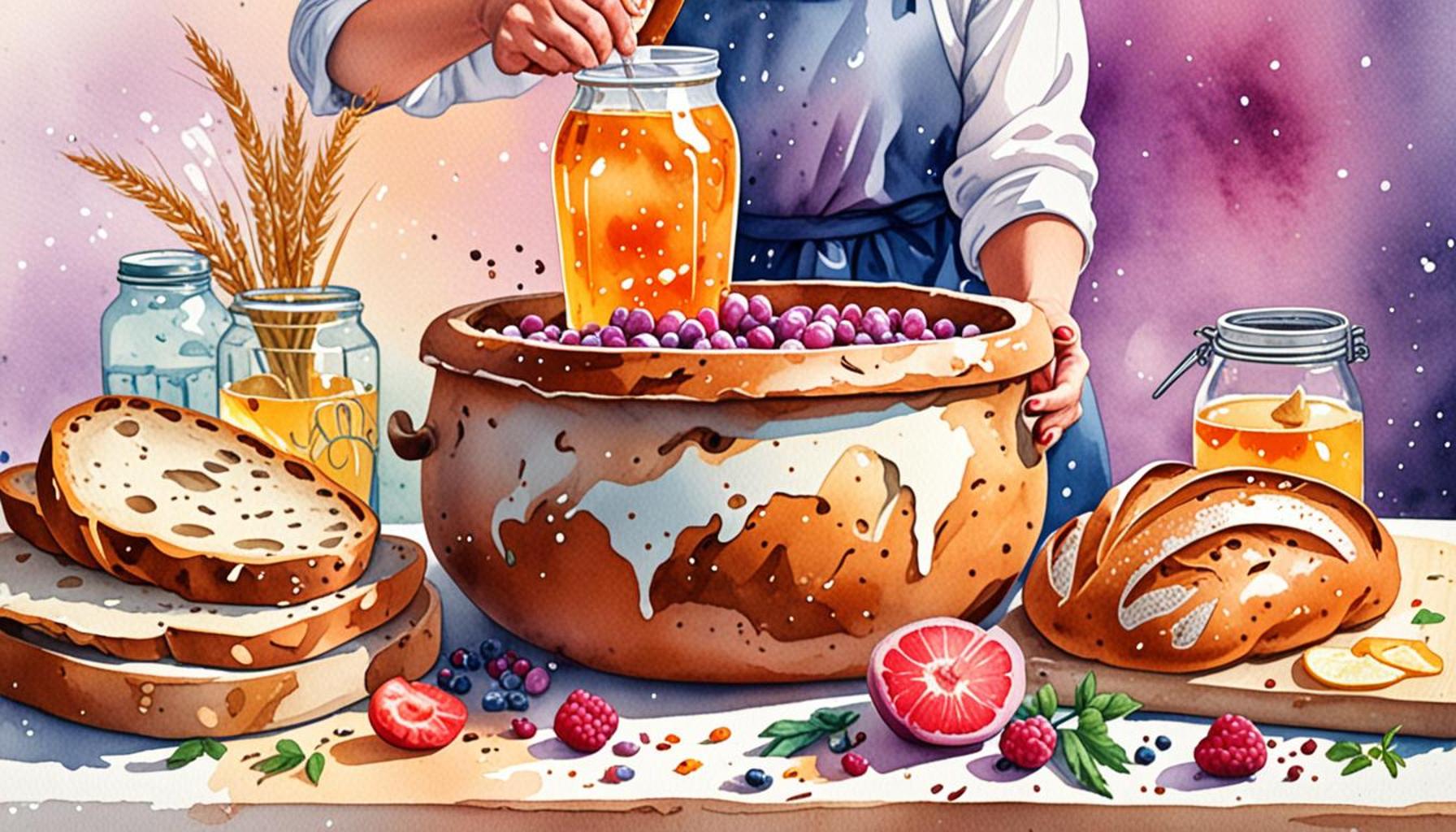
The Growing Trend of Homemade Fermentation
In recent years, there has been a noticeable shift towards homemade fermentation, a practice that echoes the ingenuity of our ancestors. As people seek healthier lifestyles, many are turning back to ancient techniques that enrich both food and culture. Fermentation is not just about flavor; it carries a treasure trove of health benefits. This culinary art has transcended mere necessity and is now a fascinating trend that connects generations.
The spectrum of homemade fermented foods is vast, ranging from tangy sourdough breads to refreshing probiotic beverages like kombucha and kefir. Each type of fermentation offers distinct benefits and flavors. For instance, sourdough, which involves the natural cultivation of wild yeast, results in a crusty loaf that is often easier to digest for individuals sensitive to gluten. Additionally, the probiotics found in fermented drinks can help enhance personal gut flora, contributing to overall well-being.
Reasons for the Rising Popularity
Homemade fermentation is becoming increasingly popular due to several compelling reasons:
- Health benefits: Fermented foods are known to improve gut health and boost the immune system. They introduce beneficial bacteria that help break down food, making nutrients more accessible for absorption.
- Flavor enhancement: The natural fermentation process deepens flavors, offering unique profiles that cannot be replicated. For example, the complexity of flavors in homemade kimchi can vary widely based on fermentation duration and the choice of vegetables and spices.
- Creative expression: Home fermentation allows for experimentation with various ingredients, resulting in personal and bespoke products. Whether infusing kombucha with seasonal fruits or blending spices into pickles, the creativity is virtually limitless.
Across the United States, communities are embracing a fermentation revival. From artisan workshops teaching the craft of creating sour ales to local farmers’ markets showcasing handmade pickles, the allure of crafting traditional foods is stronger than ever. This movement invites a new generation to explore the benefits and joys of creating foods from scratch, with many enthusiasts forming clubs to share techniques and recipes.
As you delve into the world of homemade fermentation, you’ll gain insights into historical practices alongside modern methods that can elevate your culinary skills. By participating in this world, not only do you add depth to your meals, but you also engage in a rich cultural legacy that connects you to your ancestors’ sustainable food practices. Prepare to embark on a flavorful journey that links the past with present dining experiences, creating a delightful blend of tradition and innovation for your table.
DISCOVER MORE: Click here to dive deeper
Exploring the Nuts and Bolts of Fermentation
At its core, homemade fermentation is an intricate dance between food and microorganisms, where beneficial bacteria play a starring role. Understanding the science behind fermentation can enhance your experience and expertise in crafting artisanal products. The most common types of fermentation—lactic acid fermentation, alcoholic fermentation, and acetic acid fermentation—each contribute unique qualities to the end product.
Lactic acid fermentation is perhaps the most widely known method, utilized in the creation of yogurt, kimchi, and sauerkraut. This process involves the conversion of sugars into lactic acid by bacteria, lending foods a tangy flavor while also preserving them. The lactic bacteria thrive in anaerobic conditions, meaning they do best without oxygen, which is why sealed jars are often used for fermentation.
On the other hand, alcoholic fermentation occurs when yeast consumes sugars and produces alcohol and carbon dioxide. The process is fundamental for crafting sourdough bread and beverages like beer and wine. The wild yeast present in the environment or those cultivated in starter cultures contribute to the complexity of flavors that characterize these products. In North America, home bakers have embraced sourdough making, with many experimenting by creating their own starter from local flour, ensuring a unique taste that reflects the region’s terroir.
Acetic acid fermentation, commonly associated with vinegar production, showcases another fascinating facet of probiotic creation. By exposing alcoholic liquids to airborne bacteria, home fermenters can turn beverages into tangy vinegars, which can elevate various culinary dishes or serve as the base for sauces and dressings.
Essential Ingredients for Home Fermentation
To successfully embark on your homemade fermentation journey, having the right tools and ingredients is crucial. Here’s a list of essential items that every novice fermenter should consider:
- Starter cultures: These can include a sourdough starter for bread or specific probiotic cultures for yogurt and other fermented drinks.
- Quality ingredients: Use organic fruits, vegetables, and grains, as they are often richer in beneficial bacteria. Local sourcing can enhance flavor and nutrition.
- Fermentation vessels: Glass jars or food-grade plastic containers are ideal. Avoid metal containers as they can react negatively with acidic foods.
- Weight or lid: To ensure suitable anaerobic conditions, use weights to submerge vegetables or a breathable lid to keep contaminants out while allowing gases to escape.
As you gather these essentials, remember that patience is key. Fermentation is a process that often takes days to weeks, and the final product may surprise you with its depth and character. Each batch you create tells a unique story intertwined with ancient practices and modern innovation. With each fermentation encounter, from selecting ingredients to savoring the finished product, you not only indulge in a culinary transformation but also celebrate a rich cultural heritage that continues to thrive and evolve in American kitchens today.
Exploring the Art of Homemade Fermentation
Homemade fermentation is experiencing a remarkable revival as enthusiasts rediscover ancient techniques used for creating breads and beverages. One of the most compelling aspects of this practice is its ability to enhance flavors and nutritional value while fostering a deeper connection to our food sources. Traditional methods, such as sourdough bread-making and crafting fermented beverages like kombucha or kefir, not only celebrate cultural heritage but also offer numerous health benefits.
The Health Benefits of Fermented Foods
When we delve into the world of fermented foods, we uncover a plethora of health advantages. Fermentation acts as a natural preservation method, while also cultivating beneficial bacteria known as probiotics. These microorganisms play a crucial role in supporting gut health and digestion, potentially reducing issues like bloating and constipation. Additionally, fermented foods may enhance the bioavailability of minerals, making your meals not only tastier but also more nutrient-rich.
Creative Exploration and Home Fermentation
For those interested in pursuing home fermentation, the possibilities are endless. With just a few ingredients and simple tools, anyone can experiment with different flavors and techniques. From brewing your own beer to creating unique sourdough starters, the journey can be both rewarding and delicious. As you embark on this culinary adventure, consider diving deeper into the myriad of recipes available online, joining fermentation workshops, or even connecting with local fermentation communities. By sharing knowledge and experiences, you not only refine your skills but also contribute to the thriving community around homemade fermentation.
Understanding Safety and Best Practices
It’s essential to practice safety when fermenting at home. Using clean equipment and following established guidelines can help avoid contamination. Additionally, understanding the fermentation process and its various stages will increase your success rate and allow you to appreciate the transformations your ingredients undergo. As you become more experienced, you’ll find that each batch carries its own unique character, making the art of fermentation both a science and an adventure.
| Advantages | Benefits |
|---|---|
| Enhanced Flavor | Fermentation develops complex flavors that elevate dishes. |
| Improved Nutritional Profile | Increased availability of nutrients through fermented foods. |
Embracing these ancient techniques can transform your approach to food and drink, turning everyday meals into culinary masterpieces. The journey of homemade fermentation not only enriches our lives with flavor but also emphasizes the importance of traditional practices in modern cooking. As you embark on this revival, you’ll find that the art of fermentation is not just about the end result but also the experiences and connections cultivated along the way.
DISCOVER: Click here to unlock new publishing opportunities
Fermentation Techniques: An Art and a Science
Crafting homemade fermented products is as much about art as it is about science. Understanding the environmental factors at play can significantly impact the success of your fermentation. Temperature, humidity, and time are critical variables that can either enhance or hinder the fermentation process.
The ideal temperature for most fermentations varies from 68°F to 75°F. Warmer temperatures often increase the activity of bacteria and yeast, leading to faster fermentation. However, higher heat can also produce off-flavors and spoilage. Conversely, a cooler environment can slow the fermentation process, allowing for more complex flavor development but requiring more patience. Utilizing a simple thermometer can help you monitor these crucial conditions.
Humidity is another essential factor, particularly for bread-making. The moisture in the air can affect how the sourdough starter behaves, including its consistency and fermentation rate. Bakers in humid climates may find their starters bubbling more actively, whereas those in dryer areas may need to adjust their hydration levels to maintain the right texture. Implementing a humidifier or placing a damp cloth over your fermenting bread can assist in achieving optimal moisture levels.
Perhaps one of the most compelling aspects of fermentation is the time commitment. Unlike cooking, where instant results are often the goal, fermentation rewardingly teaches patience. Sourdough bread typically requires a lengthy fermentation process, sometimes up to 12 hours for a single rise, which allows flavors to develop profoundly in each loaf. Likewise, beverages like kombucha can require anywhere from one week to a month to reach their desired punch of flavors. As you experiment, keeping a detailed record of your processes can help you find the sweet spot—it’s not simply trial and error, but an evolving relationship with each batch.
Fermentation’s Health Benefits
Aside from the rich flavors and historical origins, one cannot overlook the health benefits associated with homemade fermentation. Fermented foods are often loaded with probiotics—beneficial live bacteria that support digestive health. Incorporating these into your diet can help bolster your gut microbiome, essential for digestive function and overall well-being.
Notably, studies demonstrate that fermented foods may enhance nutrient absorption by breaking down and making nutrients more bioavailable. For example, fermented grains like those used in sourdough bread can lead to more efficient absorption of minerals such as zinc and iron. Additionally, beverages like kefir and kombucha not only support gut health but also contain antioxidants that may help reduce inflammation in the body.
Furthermore, home fermentation can make for a more sustainable choice compared to store-bought products. By creating your own fermented foods and beverages, you’re minimizing waste associated with packaging and transportation. The community surrounding homemade fermentation has bolstered this movement, where sharing tips and starter cultures is common, emphasizing a connection to tradition and sustainability.
As you dive deeper into the world of fermentation, consider the diverse community resources available to support your journey. From workshops to online forums, you can connect with fellow enthusiasts who provide insights that may enrich your practice. Homemade fermentation not only promises delicious culinary adventures but also serves as a bridge connecting modern eaters to ancient methods that have stood the test of time.
DISCOVER MORE: Click here for insights on developing your writing portfolio
Conclusion: Embracing the Fermentation Journey
In an age dominated by convenience and fast production, the revival of homemade fermentation offers not only a return to roots but also a path toward a healthier and more sustainable lifestyle. Through mastering ancient techniques for crafting breads and beverages, we engage in a deeply rewarding experience that connects us to our culinary heritage. The art of fermentation is a multifaceted endeavor involving science, patience, and creativity; it invites us to appreciate the intricate balance of flavors while promoting our well-being.
The significant health benefits of incorporating fermented foods into our diets—from improved digestion to enhanced nutrient absorption—further underscore the importance of this craft. As we explore the thrilling world of sourdough, kombucha, and kefir, we not only enrich our culinary repertoire but also foster a strong sense of community, where knowledge and starter cultures are freely shared among enthusiastic practitioners.
Moreover, embracing homemade fermentation represents a thoughtful approach to sustainability. By reducing our reliance on commercial products, we contribute to diminishing waste and environmental impact. This revival encourages a deeper acknowledgment of the food we consume and the methods that have been honed over centuries. As you embark on this flavorful journey, remember that every batch tells a story—your story—quite literally leaving a mark on each loaf and each brew you create.
So gather your ingredients, research, and engage with fellow fermenters. The world of homemade fermentation awaits—an adventure rich with history, health, and a unique blend of flavors that are just waiting to be discovered.