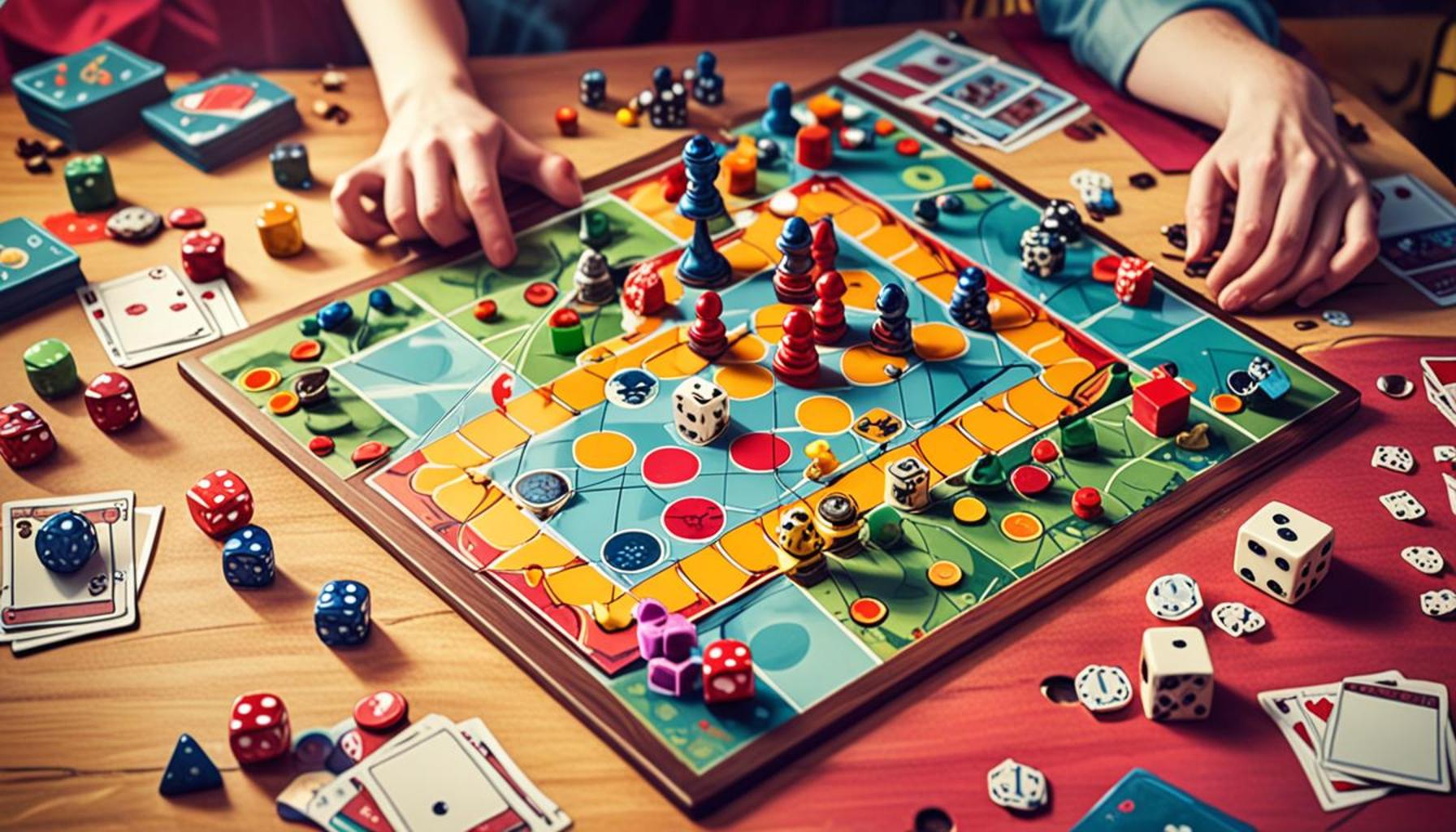
The Art of Strategy in Board Games: How to Develop Winning Tactics
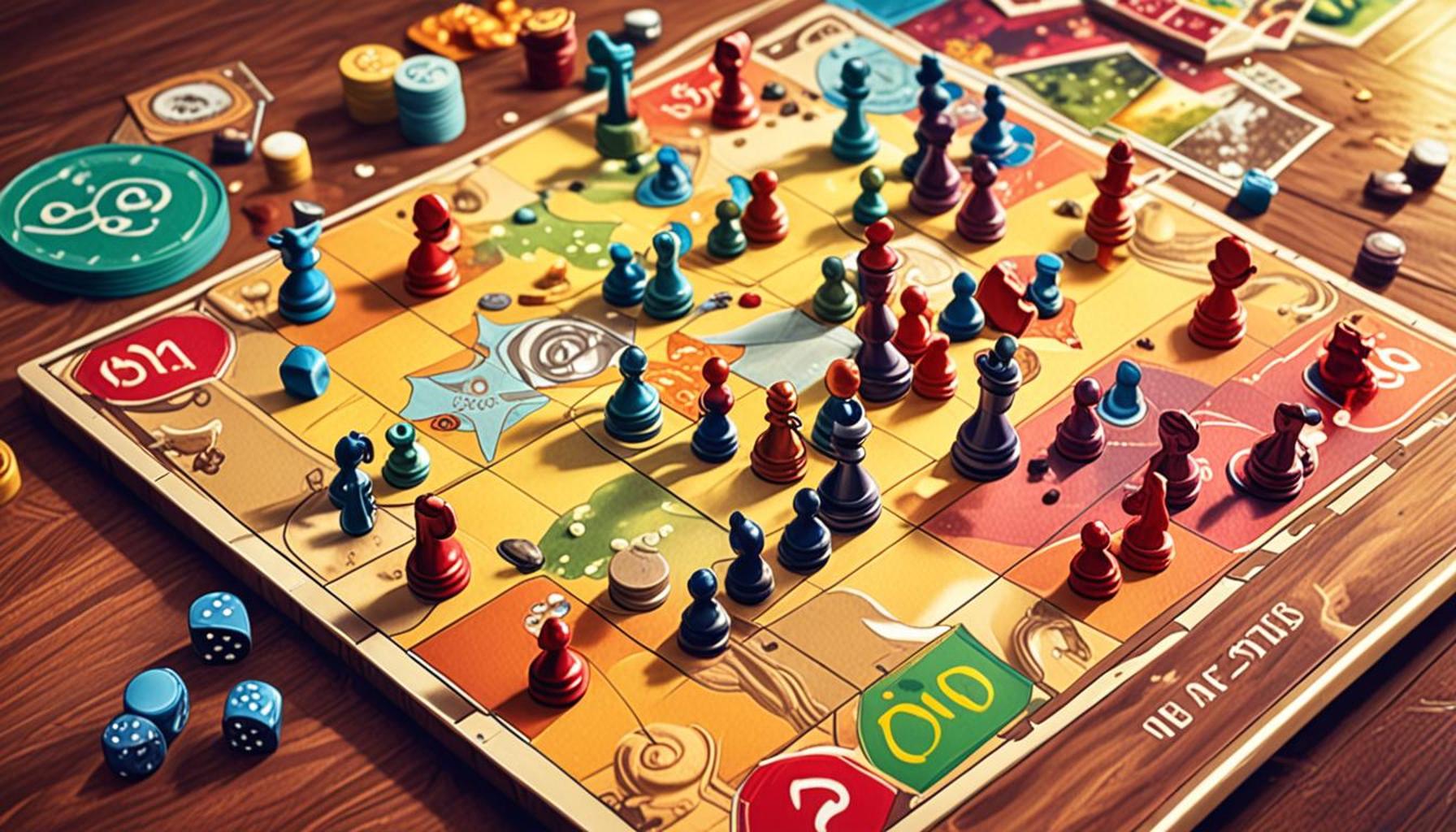
Unveiling Depths of Strategy in Board Games
Engaging in board games transcends mere chance; it serves as a profound exploration into the art of strategy. While luck can play a role, the heart of winning often lies in the cerebral engagements players undertake. Each move must be pondered with utmost care, requiring an astute awareness of not just one’s own strategy but also the potential countermoves of opponents. This multifaceted decision-making elegance is an endlessly captivating aspect of gameplay.
Classic games such as chess offer rich avenues for strategy development, with players needing to foresee several moves ahead. For example, a well-timed sacrifice of a piece can shift the pressure back onto an opponent, compelling them into mistakes. On the other hand, games like Risk necessitate a keen understanding of geopolitical dynamics and alliances, making it essential to balance offense and defense while exploiting opponents’ weaknesses. Meanwhile, the beloved Catan invites players to delve into resource management, negotiations, and territorial expansion, appealing to those who enjoy a well-rounded strategic challenge.
To rise above the competition, players should hone several core strategic elements:
- Observation: Analyzing the behaviors and play styles of opponents is critical. Noticing subtle cues, such as their preferred moves or reaction times, can provide a strategic advantage.
- Adaptability: Games often shift unexpectedly. The ability to readjust strategies according to the evolving context is vital, especially when unexpected alliances or enmities form during play.
- Resource Management: Whether it’s managing the economy in euro-style games or the fundamental pieces in traditional games, employing a clear strategy for resource utilization often makes the difference between victory and defeat.
Interestingly, the design of various board game genres requires unique methodologies. Euro-style games frequently lean towards economic strategies, where players must carefully plan their resource distribution to achieve long-term success. In contrast, head-to-head strategy games prioritize direct conflict, demanding players to be both offensive and defensive simultaneously.
Through this deep dive into winning tactics, players unlock the potential for enhanced critical thinking and strategic prowess. Board games are not merely pastimes; they are sophisticated tools for cognitive development and social engagement. As you immerse yourself in the complexities of these games, you may find that every session is an opportunity for growth. Are you prepared to elevate your game?
DIVE DEEPER: Click here to delve into the mysteries
Understanding the Fundamentals of Strategic Gameplay
To truly excel in board games, one must comprehend the underlying fundamentals of strategic gameplay. Each game presents a unique set of challenges that tests players’ mental acuity, creativity, and foresight. Recognizing the dynamics of each game and the varied mechanics at play can significantly elevate a player’s approach. By fostering a strong foundation of strategy, individuals can navigate even the most complex situations with confidence.
One of the fundamental concepts to grasp is the idea of actions versus reactions. In many games, players are not only responsible for their own moves but must also anticipate the consequences of their opponents’ actions. For instance, in a game like Carcassonne, players must consider not only how to expand their territory but also how their placements might enable opponents to score points. This dual perspective enhances strategic depth, compelling players to think critically about their decisions.
- Planning Ahead: A solid strategy often begins with effective planning. Whether it’s mapping out routes in Ticket to Ride or establishing fortifications in a game of Settlers of Catan, envisioning future moves allows players to remain several steps ahead of competitors.
- Evaluating Risks: Every move carries risks, and successful players learn to balance ambition with caution. Knowing when to press an advantage and when to retreat can make the difference. An uncalculated move can lead to devastating consequences.
- Executing Versatility: Engaging with diverse game styles improves overall adaptability. This eclectic skill set allows players to readily adjust to new challenges, overcoming obstacles by implementing varied techniques based on the game environment.
Moreover, psychology plays a pivotal role in the art of strategy. Understanding the mental states and tendencies of fellow players can provide valuable insights. Seasoned players often employ tactics such as bluffing, leading opponents to misjudge their intentions, or deliberately feigning weakness to lure others into a false sense of security. This element of psychological warfare adds an intriguing layer to competition, making the social aspect of board gaming profoundly exciting.
The importance of effective communication is another crucial aspect of gameplay. Especially in multi-player cooperative games like Pandemic, establishing a dialogue to share ideas and intentions can enhance team strategy. Conversely, during competitive games, subtle communication, or lack thereof, might be used to manipulate opponents and shelter true intentions.
By laying a solid groundwork built on these principles, players can develop a toolkit for mastering the art of strategy in board games. As they refine their skills, the potential for both success and personal growth becomes immeasurable. Each game session can evolve into a rich tapestry of learning experiences, offering insights that extend far beyond the board, enhancing critical thinking and social interaction.
| Strategy Type | Key Insights |
|---|---|
| Offensive Tactics | Focus on maximizing points and controlling the flow of the game. |
| Defensive Strategies | Utilize tactics to safeguard your position and counter opponents. |
| Adaptability | Adjust strategies based on opponent moves and game dynamics. |
| Resource Management | Prioritize effective use of limited resources for maximum benefit. |
Exploring the multifaceted realm of strategy in board games, we uncover an array of tactics that can significantly enhance gameplay. Understanding the offensive tactics is critical; it involves anticipating your opponent’s moves while focusing on scoring opportunities and overwhelming their defenses. This not only adds pressure but also paves the way for a strong lead.Conversely, incorporating defensive strategies is equally important. This entails being vigilant and reactive, guarding your assets, and nullifying threats from opponents. By mastering both offensive and defensive plays, players cultivate a robust gaming style that can adapt to shifting circumstances.An essential component of strategic mastery is adaptability. The ability to revise your approach based on real-time developments keeps the gameplay dynamic and unpredictable. Coupled with effective resource management, players must learn to leverage their strengths while mitigating weaknesses, ultimately fostering a comprehensive understanding of winning tactics in the advanced study of board games.
DIVE DEEPER: Click here to enhance your memory skills
Advanced Strategies for Tactical Mastery
Once players have established a firm grasp of the fundamentals of strategic gameplay, the next step is to delve into advanced strategies. These strategies require a more nuanced understanding of both the mechanics of the game and the psyche of opponents. Developing a robust tactical approach can lead to improved performance across various board games, allowing players to adapt to ever-changing circumstances on the board.
One of the most effective advanced strategies is the concept of positioning. In many board games, maintaining a strong position can be as crucial as the type of moves players make. For instance, in games like Risk or Axis & Allies, controlling key territories can yield significant advantages, providing additional resources or strategic options. Players should assess the board continuously, identifying high-value locations that offer enhanced influence. Such advantageous positions not only bolster a player’s own prospects but can also prevent opponents from gaining ground.
- Timing is Everything: Knowing when to act is a key element of strategy. For example, engaging in an offensive play when an opponent is least prepared, or holding back to gather resources, can shift the tides of the game. Understanding the rhythm of play is critical.
- Resource Management: In games like 7 Wonders or Catan, managing resources effectively is a cornerstone of strategic success. Players must forecast not just their needs, but also their opponents’. By monitoring resource availability and scarcity, players can dictate the tempo of the game.
- Creating Alliances: In some multiplayer scenarios, forming temporary alliances can yield mutual benefits. However, players must tread cautiously, as alliances can quickly shift. Knowing when to strengthen ties and when to break them is essential for gaining an edge.
In addition to strategy, the importance of adaptability cannot be overstated. As the game progresses, players must learn to reassess their tactics based on changes in the gaming landscape. For example, if an opponent unexpectedly amasses significant resources or a dominant position, recalibrating one’s strategy promptly can prevent being outmaneuvered. The ability to pivot seamlessly keeps opponents off-balance and secures a competitive advantage.
Endgame strategies also play a pivotal role in securing victory. Recognizing when the game is nearing its conclusion prompts players to shift focus towards maximizing their final moves. For example, in a game of Ticket to Ride, players might need to prioritize completing routes that yield maximum points while simultaneously blocking opponents from completing their critical paths. Understanding the endgame dynamics equips players to fine-tune their approaches to clinch a win.
Another advanced approach involves the art of deception. Players who can lead their opponents to misinterpret their intentions wield considerable power. For instance, a player might create the illusion of pursuing one strategy while covertly preparing for another. This element of surprise can be particularly effective in abstract strategy games, where perception can be just as critical as actual gameplay.
Ultimately, the art of strategy in board games is a continuous journey filled with learning and experimentation. Each game played offers valuable insights, refining understanding and approaching tactical challenges with renewed vigor and creativity. By embracing advanced strategies, players can elevate their game, transforming casual play into a deeply engaging intellectual pursuit.
DIVE DEEPER: Click here to uncover more insights
Conclusion
As explored throughout this article, mastering the art of strategy in board games involves a blend of knowledge, adaptability, and psychological insight. With the basics firmly in hand, players can progress to advanced techniques that heighten their tactical prowess, such as effective positioning, timing their moves, and managing resources wisely. The ability to read the board and anticipate opponents’ actions is paramount in turning the tide of play in one’s favor.
Moreover, the importance of adaptability cannot be overstated—situational awareness is critical in adjusting strategies on the fly. Whether it’s recognizing when to form alliances or how to seize opportunities in the endgame, strategic flexibility can make the difference between victory and defeat. The thrill lies in not just executing well-laid plans, but in the surprises and twists that arise during gameplay, keeping both players and spectators engaged.
Ultimately, the world of board games offers a rich tapestry of tactical challenges that stimulate the mind and foster creativity. Each session presents an opportunity to hone strategic skills, learn from past experiences, and develop a personal style. As you embrace these strategies and insights, remember that the journey is just as significant as the outcome. Dive deeper into the realms of your favorite games, explore new ones, and unleash your strategic potential—your next victory is waiting just a move away.