Unlocking Puzzles Creativitys Role in Crafting Effective Strategies
Unlocking the Power of Creativity in Strategy Development
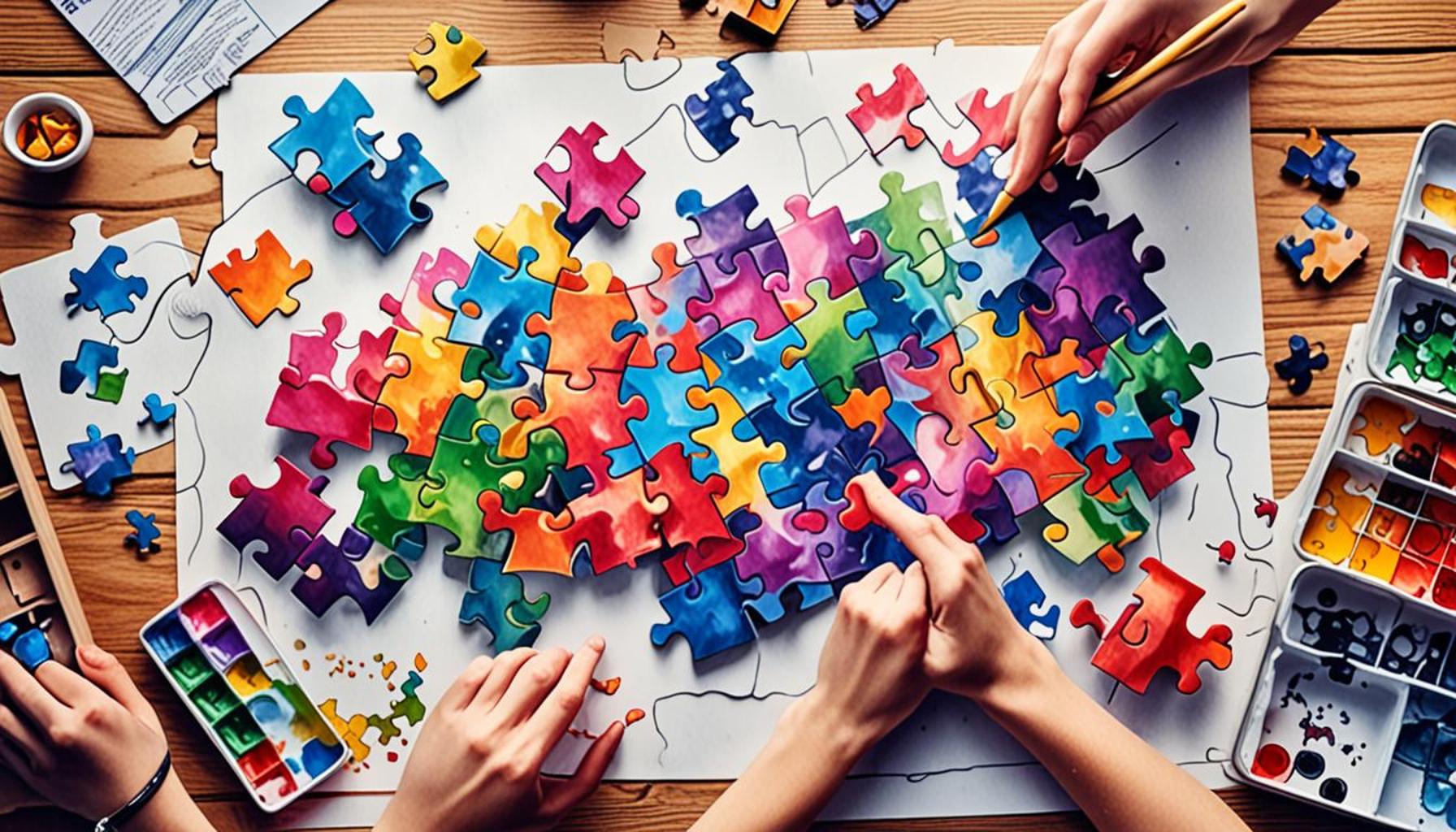
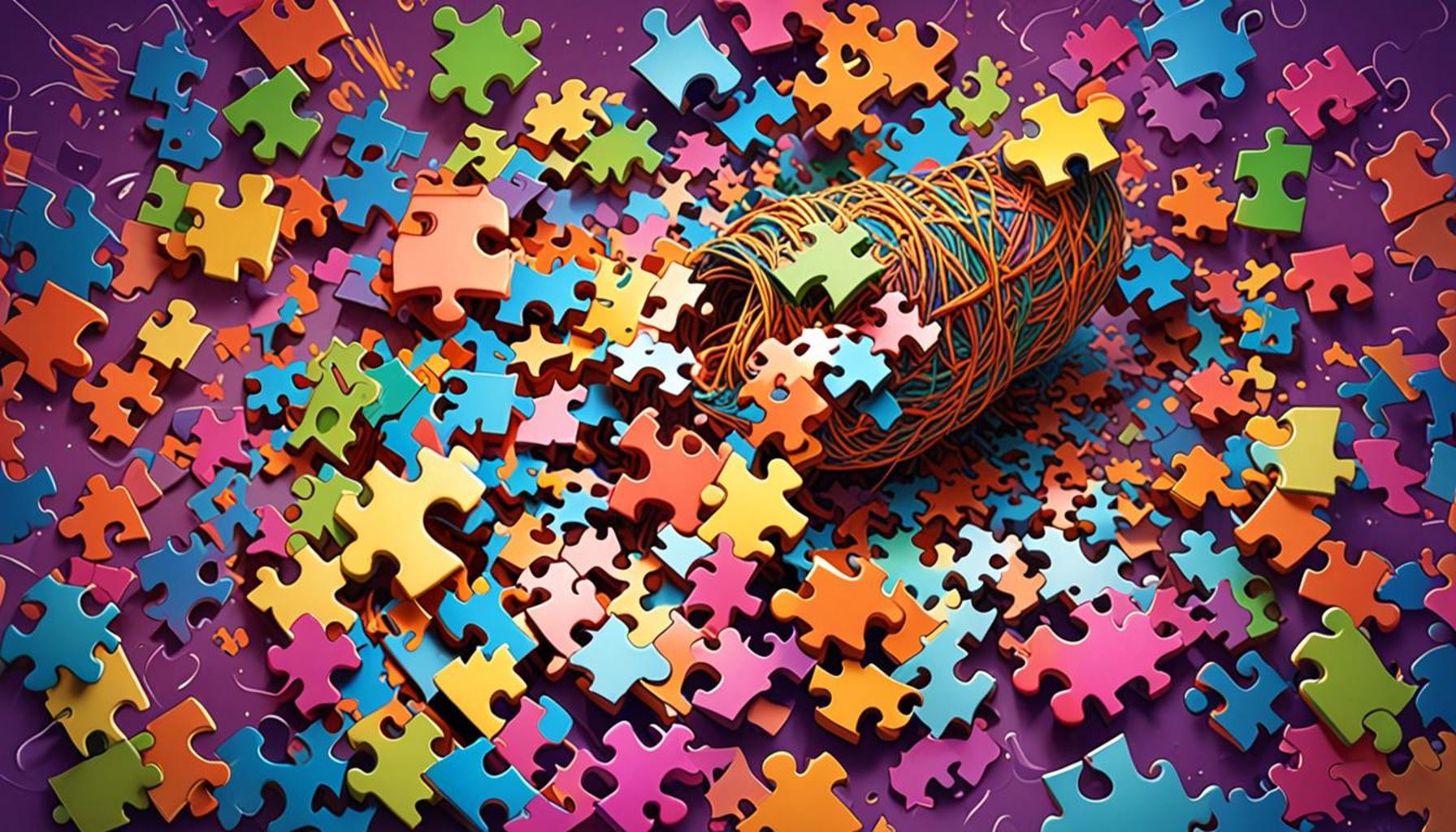
In the world of mind games and puzzles, creativity is a crucial element that often goes unnoticed. The ability to think outside the box not only enhances enjoyment but also sharpens problem-solving skills necessary for successful strategy development. As players navigate through challenges, they discover that innovative thinking leads to more effective solutions and improved outcomes.
Understanding how creativity influences puzzle-solving can open new avenues for both recreational and competitive play. Here are some key points to consider:
- Enhanced Problem-Solving: Creative approaches can uncover unique solutions that traditional methods might miss.
- Adaptability: Flexibility in thinking allows players to adjust strategies in real-time based on the evolving nature of puzzles.
- Collaboration: Sharing creative ideas can lead to stronger strategies and improve teamwork within groups.
As we delve deeper into this topic, prepare to explore a carefully curated Top 5 list that showcases the most impactful strategies born from creative thinking in puzzle-solving. Each entry will not only highlight its importance but also inspire you to broaden your perspective on effective approaches.
DISCOVER MORE: Click here to uncover the benefits of logical puzzles
Top 5: Unveiling Puzzles – The Importance of Creativity in Developing Effective Strategies
5. The Role of Creative Thinking in Puzzle Solving
When it comes to solving puzzles, the initial approach often dictates the outcome. Creative thinking is essential in this arena, as it propels individuals beyond conventional solutions. Unlike standard problem-solving approaches, creative thinking invites a multitude of perspectives, making it possible to generate unique and effective strategies. This versatility allows puzzlers to break down complex challenges into manageable parts.
Research indicates that engaging with puzzles stimulates areas of the brain associated with flexibility and innovation. A study conducted by the University of California found that participants who engaged regularly with creative puzzles demonstrated higher levels of problem-solving proficiency in unrelated tasks, indicating transferable skills. Hence, fostering a habit of thinking outside the box can vastly improve one’s ability to tackle puzzles—whether they involve numbers, words, or logic.
Some effective strategies include:
- Encouraging brainstorming sessions: Gathering as many different ideas as possible creates a rich tapestry of solutions to draw from.
- Considering different angles or facets of the problem: Sometimes, the solution lies in changing one’s viewpoint, much like rotating a piece in a jigsaw to see where it might fit.
- Collaborating with others to gather diverse insights: Group settings stimulate idea exchange, leading to insights that may not surface in isolation.
4. Interdisciplinary Approaches to Puzzle Development
Many puzzles today take inspiration from various fields, enhancing the depth and challenge. Interdisciplinary approaches can dramatically alter how puzzles are conceived and solved, merging principles from mathematics, science, art, and psychology. For instance, mathematical puzzles often incorporate visual elements that require an understanding of geometry along with spatial reasoning.
The integration of knowledge bridges gaps in understanding and encourages creative thinking. In architecture, for example, designers use puzzles as exercises to practice spatial awareness and problem-solving skills. By examining puzzles from diverse angles, individuals expose themselves to a broader range of strategies, thereby developing a more comprehensive skill set. Some fields that contribute significantly include:
- Mathematics for logic-based puzzles: Mathematical theories can offer precise and logical paths to solution.
- Art for visually-oriented tasks: Artistic principles can redefine how we perceive and solve visual challenges.
- Psychology for understanding problem-solving behavior: Insights into cognitive processes can guide more effective puzzle-solving methods.
3. The Importance of Pattern Recognition
At the core of puzzle-solving lies the essential skill of pattern recognition. This cognitive process is crucial not only in identifying solutions but also in devising innovative methods to approach puzzles. Creative individuals excel at recognizing unusual connections between disparate elements, facilitating new strategies and solutions. Puzzle solvers often find themselves trained to spot trends, which can lead to breakthroughs in seemingly impossible tasks.
Researchers suggest that pattern recognition is a hallmark of expert problem solvers. Practicing with puzzles can improve this attribute, suggesting that a habitual approach to puzzles equips individuals with the ability to navigate complexities more fluidly. Enhancing pattern recognition can be accomplished through methods such as:
- Daily practice with various types of puzzles: Exposure to different puzzles enhances adaptability and broadens skill sets.
- Engaging in group puzzle challenges: These settings foster competition and motivation, driving individuals to refine their pattern-recognition skills.
- Developing a visual memory of successful strategies: This can serve as a repository of solutions to draw upon when faced with new challenges.
2. Encouraging Persistence Through Puzzle Engagement
The act of solving puzzles often requires a high degree of persistence. Creative problem-solving may sometimes lead to dead ends, and it’s the individual’s ability to navigate and learn from these failures that plays a critical role in their strategy development. Understanding that not every avenue will yield results encourages clever re-evaluations and adjustments in approach.
Embracing this aspect of puzzle-solving fosters resilience, allowing individuals to bounce back stronger with fresh ideas. Research has shown that individuals who regularly engage with puzzles tend to exhibit greater patience and perseverance in other areas of life. To encourage persistence, consider employing these techniques:
- Setting incremental goals within larger puzzles: This prevents overwhelming feelings and helps maintain focus.
- Documenting progress to visualize growth and setbacks: Keeping a journal of successes and failures can highlight improvement areas.
- Reflecting on past challenges to inform future strategies: Analyzing previous puzzle-solving experiences lays a strategic foundation for future endeavors.
1. Fostering a Creative Environment for Problem-Solving
At the pinnacle of puzzle-solving strategies lies the significance of creating an environment that breeds creativity. This environment is characterized by the freedom to explore, make mistakes, and innovate. A creative space allows individuals to collaborate and brainstorm diverse ideas, leading to enhanced problem-solving capabilities.
The business world can draw significant lessons from this approach; companies that cultivate open, innovative workplaces tend to foster teams capable of dynamic problem-solving. Google, for instance, is known for its playful work environments that encourage creativity and innovation. Tools to foster a creative environment include:
- Establishing open-ended discussion forums: Such forums empower individuals to voice out-of-the-box ideas without fear of criticism.
- Incorporating playfulness and humor into the process: A light approach can spark inspiration and disarm traditional constraints.
- Utilizing various materials and resources to spark inspiration: Simple changes in tools or settings can invite fresh perspectives.
In sum, understanding the importance of creativity in puzzle-solving is fundamental to developing effective strategies. By nurturing a mindset that values innovation and flexibility, we can unlock new pathways to success in the world of puzzles, laying down strategies that transcend mere solutions, reaching towards profound cognitive development.
| Category | Key Insights |
|---|---|
| Creative Problem Solving | Fostering innovation through puzzles encourages individuals to develop flexible thinking and explore unconventional solutions. |
| Engagement | Interactive puzzle-solving enhances engagement among team members, leading to improved collaboration and a shared sense of purpose. |
| Enhanced Cognitive Skills | Regularly engaging with puzzles can bolster critical thinking, sharpen analytical skills, and enhance memory retention. |
| Strategic Thinking | Puzzles challenge individuals to anticipate outcomes and plan multiple steps ahead, strengthening overall strategic capabilities. |
As we dive deeper into the essence of creativity reflected through puzzles, it is crucial to illuminate the role of creative problem solving. Engaging with complex puzzles compels individuals to step outside conventional frameworks, nurturing a mindset that values flexibility and innovation. For example, in corporate environments, teams that regularly tackle puzzles often discover unexpected routes to success through lateral thinking.Moreover, the connection between engagement and teamwork cannot be overstated. When employees participate in puzzle-solving exercises, they bond over shared challenges, which cultivates teamwork and strengthens relationships. This collaborative effort not only increases morale but also paves the way for enhanced productivity, as team members learn to trust and rely on each other’s strengths.The enhancement of cognitive skills is another significant advantage of puzzle engagement. Regularly tackling brainteasers and challenges stimulates various mental processes. People experience improvements in their critical thinking and analytical abilities, keeping their minds sharp and adaptive in fast-changing environments. This kind of cognitive training is not merely for fun; it has profound implications for how we approach tasks, solve problems, and make decisions under pressure.Lastly, the emphasis on strategic thinking through puzzle-solving activities cannot be overlooked. Analyzing a puzzle requires foresight and the ability to predict potential outcomes. This practice encourages individuals to think several steps ahead, thereby enhancing their strategic capabilities. Such skills are invaluable in various aspects of life, particularly in management and leadership roles where foresight can be the determinant between success and failure.In conclusion, the exploration of creativity through puzzles reveals a wealth of advantages that extend far beyond the enjoyment of a game. Each benefit underscores the potential for growth in areas such as teamwork, cognitive development, and strategic thinking, compelling professionals and individuals alike to embrace the challenges presented by puzzles.
DIVE DEEPER: Click here for personalized logic challenge tips
Frequently Asked Questions: Unraveling Puzzles and Creativity in Strategy Development
What role does creativity play in solving puzzles and developing strategies?
Creativity is a cornerstone in both puzzle-solving and strategic development as it allows individuals to think outside the box, identifying unique solutions to complex problems. While conventional methods might prove insufficient, creative approaches facilitate overcoming seemingly insurmountable obstacles. Unlocking creativity enables the discovery of alternatives that are not immediately obvious, which is key in dynamic and competitive environments.
How can puzzles help enhance strategic skills?
Engaging with puzzles stimulates cognitive processes such as critical thinking, pattern recognition, and problem-solving, all of which are crucial in strategic planning. By continually challenging one’s mind with puzzles, individuals develop resilience and adaptability, equipping them to craft robust strategies that can weather changing circumstances and uncertainties. This mental exercise helps sharpen both analytical capabilities and creative thinking, essential tools for any strategist.
Are there specific types of puzzles that are particularly beneficial for strategic thinking?
While any puzzle can enhance mental acuity, certain types like logic puzzles, brainteasers, and complex crosswords are particularly effective in enhancing strategic thinking. These puzzles require users to apply logical reasoning and innovative thought processes, often demanding a synthesis of information that mirrors real-life strategic challenges. They force individuals to consider various perspectives and simulate realistic problem-solving scenarios, honing skills applicable in strategic contexts.
Is there a connection between puzzle-solving proficiency and business success?
Studies have shown that individuals who excel in puzzle-solving often exhibit strong cognitive abilities, such as improved focus, effective decision-making, and heightened creativity—all of which are advantageous traits in business. Organizations that foster environments encouraging creative problem-solving see benefits in terms of innovation and competitiveness, suggesting that puzzle-solving skills indirectly contribute to business success by cultivating a workforce proficient in strategic thought.
How can one foster a creative mindset for better strategic outcomes?
To cultivate a creative mindset, it is important to embrace curiosity, practice divergent thinking, and seek diverse perspectives. Engaging with varied types of puzzles, as well as encouraging brainstorming without immediate judgement, can help maintain an open and innovative approach. Continuous learning and exposure to new experiences fuel creativity, ultimately enhancing the ability to conceive and execute more effective strategies.
DISCOVER: Click here for powerful strategies
Conclusion
The exploration of puzzles and their intricate designs reveals a fascinating intersection between creativity and strategic thinking. This article has delved into the myriad of ways puzzles serve as both a challenge and a tool for developing essential cognitive skills. Through this journey, we have illuminated the crucial role that creativity plays in devising strategies that are not only effective but also innovative.
Among the key takeaways is the understanding that puzzles compel individuals to engage with problems in non-linear ways. This demands a flexibility in thought that fosters an environment where creative strategies can flourish. By navigating the complexities of puzzles, one is encouraged to look beyond the obvious, uncovering hidden connections and novel solutions.
Furthermore, this exploration underscores the importance of perseverance in tackling complex puzzles. Often, strategies that initially seem promising may falter, necessitating a willingness to explore alternative paths. This iterative process is where creativity truly shines, as it prompts the reimagining of approaches and the adaptation to new challenges.
The article also emphasizes the broader applications of these skills beyond the realm of mind games. The creative strategies honed through solving puzzles can extend into real-world scenarios, enhancing problem-solving abilities in various professional and personal contexts. By continually refining these skills, individuals can foster a mindset that is adept at managing uncertainty and complexity.
In conclusion, the intricate dance between creativity and strategy within the world of puzzles offers a powerful metaphor for tackling challenges in life. As we continue to engage with these mental exercises, we not only enhance our cognitive abilities but also cultivate a resilience and ingenuity that are invaluable in today’s ever-evolving landscape. Let this serve as an invitation to further explore the enigmatic world of puzzles, where creativity meets strategy in harmonious synergy.