Art as a Tool for Activism: Creative Expression in Times of Social Change
The Role of Art in Social Movements
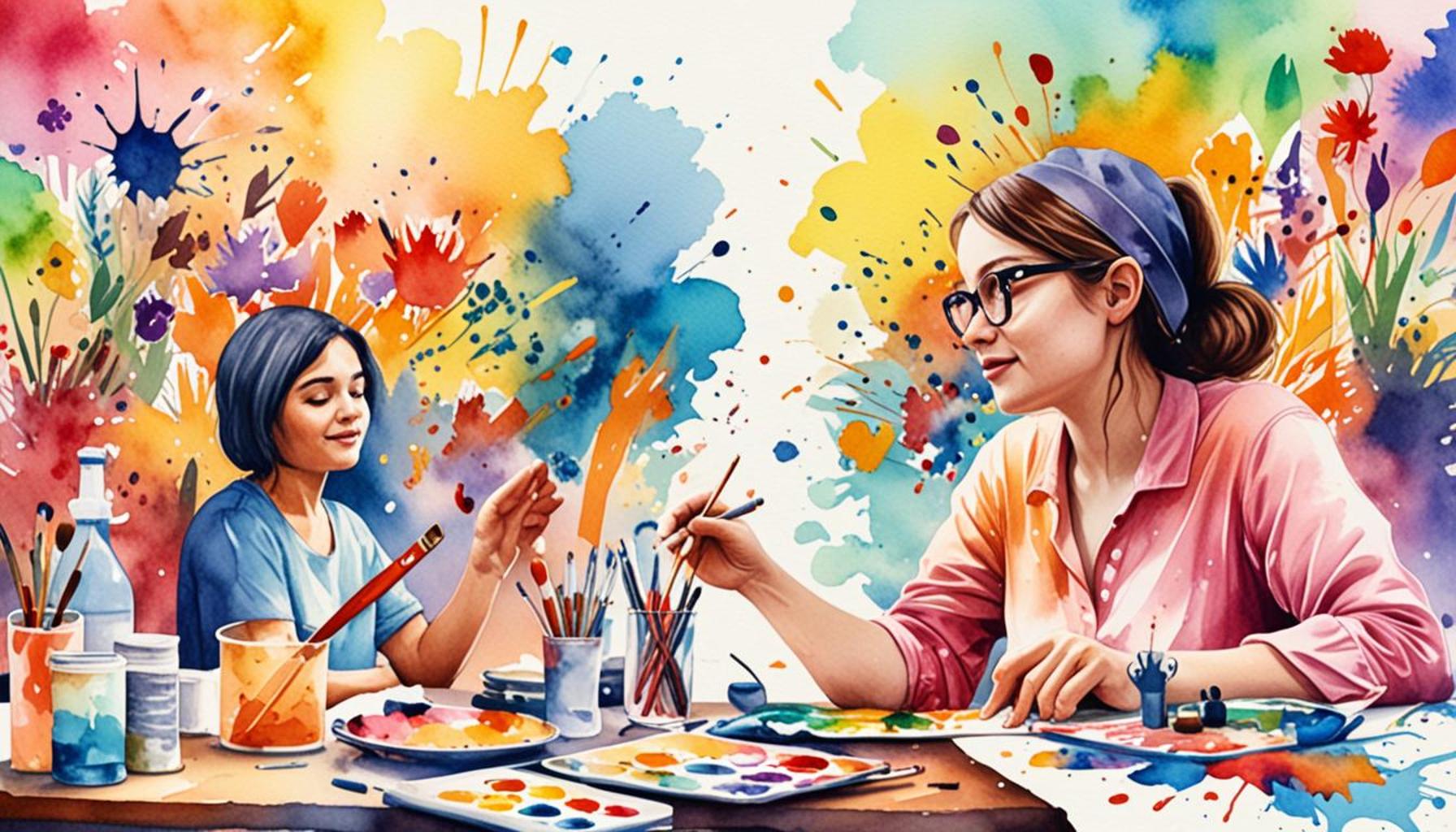
Art has long served as a barometer of society’s pulse, showing not just the beauty of culture but also its struggles and aspirations. As a tool for change, art provides a unique avenue to articulate grievances and dreams in ways that resonate deeply with the public. Whether through striking visuals or evocative performances, artists have the ability to mobilize people and bring critical issues into the spotlight.
Visual Arts as Vanguards of Change
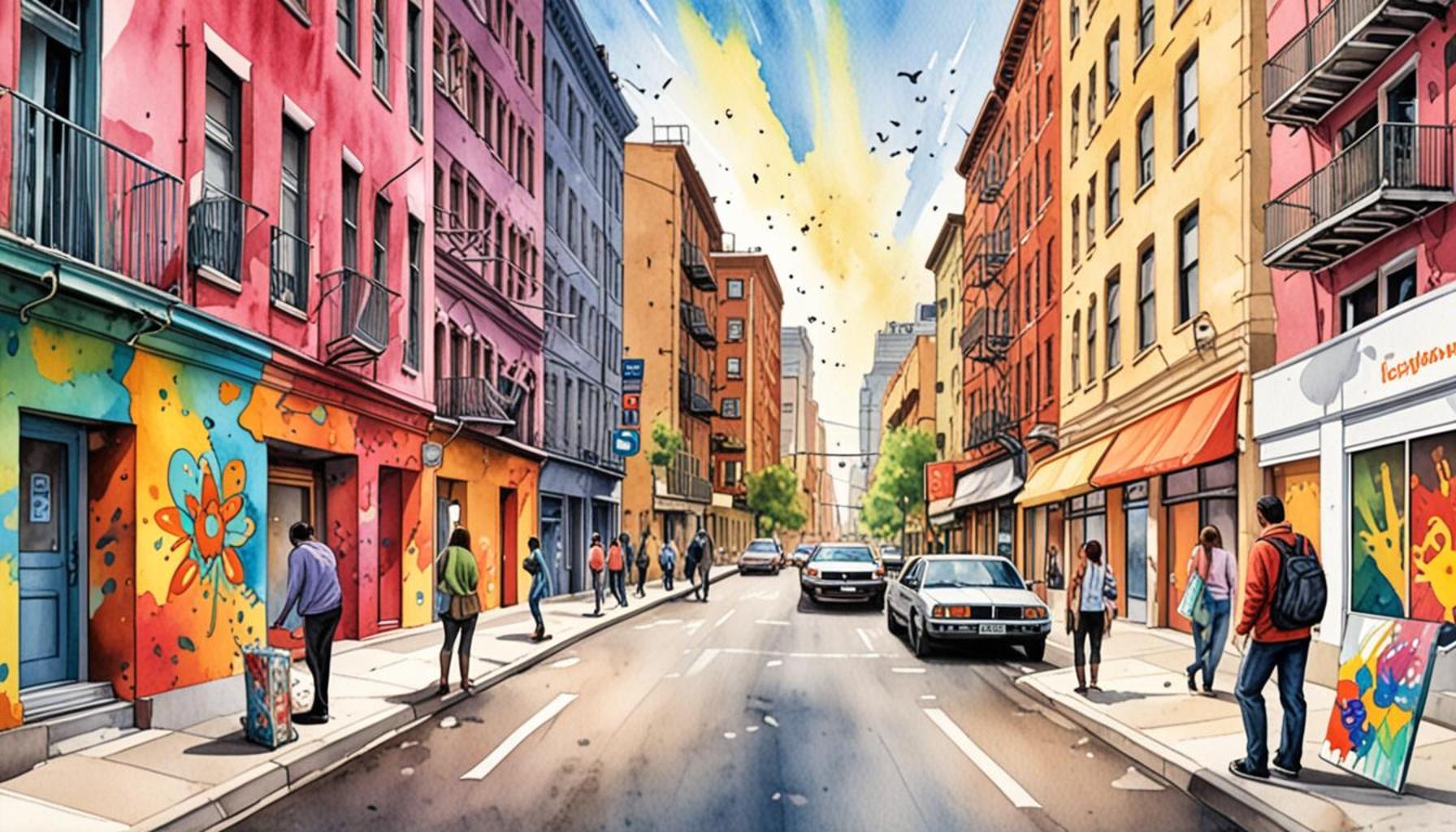
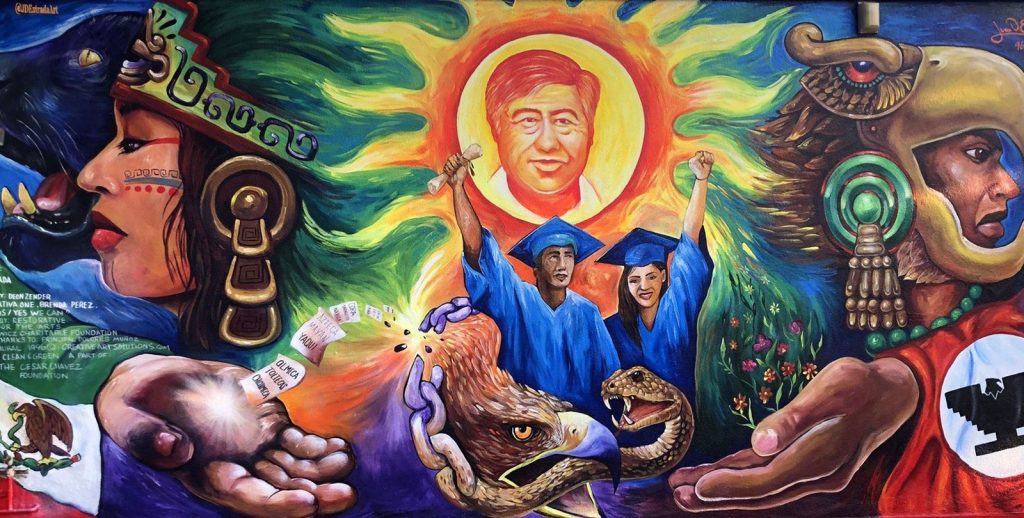
One of the most potent forms of artistic activism is found in the visual arts. Murals and street art often appear on the walls of cities, transforming public spaces into canvases of resistance. For example, the murals that emerged in response to the Black Lives Matter movement transformed the urban landscape of cities like New York and Los Angeles into vibrant forums for discussing race and justice. Artists like Shepard Fairey, known for his iconic Barack Obama “Hope” poster, have demonstrated how visual art can encapsulate powerful messages, sparking conversations that can lead to transformative action.
Theater and Performance: Engaging Audiences Closely
Theater and performance art also play a significant role in activism by inviting audiences to reflect on complex issues in engaging ways. Live performances, such as the works produced by “The New York Theatre Workshop” or “The Public Theater,” often tackle subjects ranging from immigration rights to LGBTQ+ issues, creating a shared space for dialogue. The immersive experience of theater encourages empathy, allowing viewers to step into the shoes of others and understand their struggles. A notable example is Lin-Manuel Miranda’s “Hamilton,” which uses a modern retelling of American history to engage discussions about race and representation in the United States.
The Power of Music in Social Movements
Music serves as yet another strong medium for activism. Throughout history, songs have united communities and amplified calls for social change. The protest songs of the 1960s, such as Bob Dylan’s “The Times They Are A-Changin’,” became anthems for civil rights and anti-war movements. In contemporary times, artists like Kendrick Lamar and Taylor Swift utilize their platforms to discuss social inequities and raise awareness. Recent hits that challenge societal norms demonstrate music’s enduring power to inspire and mobilize.
Art’s relationship with social change is timeless and multifaceted. As society confronts ongoing challenges like climate change, racial injustice, and gender inequality, understanding how art emerges as a force for advocacy is crucial. The profound impact of creative expression in rallying communities and prompting discussions cannot be overstated. By examining the intersection of art and activism, we explore new dimensions of dialogue and action that can lead to significant societal transformation.
In summary, as voices of dissent continue to rise across the globe, the importance of art as a catalyst for social change becomes increasingly evident. Engaging with these artistic expressions allows for a deeper understanding of the issues at stake and fosters a spirit of unity amongst diverse communities. The quest for justice is enriched by the artists who dare to dream and inspire change through their works.
DIVE DEEPER: Click here to discover the art of sustainable cuisine
Art as a Vehicle for Communicating Social Issues
In the realm of activism, art acts as a powerful vehicle for communicating social issues that demand attention. Unlike conventional methods of advocacy, art transcends language and cultural barriers, allowing audiences to engage with complex themes on an emotional level. This intrinsic ability to evoke feelings and provoke thought makes art an invaluable ally in the quest for societal change, especially in a diverse and pluralistic society like the United States.
Photography: Capturing Raw Truths
Photography has emerged as a prominent form of activism, capturing raw truths that speak volumes about societal injustices. Photographers often wield their cameras as instruments of change, chronicling protests, marginalized communities, and environmental crises. Renowned projects like the Ian MacDonald-led “Documenting The Ferguson Protests” highlight how photographic storytelling can convey powerful narratives that prompt national conversations. Through stark imagery, these portraits of struggle and resilience compel viewers to confront uncomfortable realities and question the status quo.
The Influence of Digital Media
With the rise of social media, digital art has transformed the landscape of activist expression. Platforms like Instagram and Twitter provide artists with unprecedented access to global audiences, enabling rapid dissemination of messages that resonate in real time. Digital campaigns, such as the viral hashtag movements—#MeToo and #TransRightsAreHumanRights—have effectively utilized visual graphics and memes to amplify voices and create spaces for dialogue. These tactics not only engage younger audiences but also reinvigorate activist movements by fostering a sense of solidarity.
Literature and Poetry: The Power of Words
Literature and poetry stand as timeless vessels of activism, often illuminating the struggles experienced by individuals and communities. Writers and poets use their words to challenge oppressive systems, as seen in the works of celebrated authors like Audre Lorde and Langston Hughes. Their poignant reflections on race, gender, and inequality resonate with readers and inspire critical discussions around social justice. In contemporary settings, slam poetry and literary festivals create platforms for underrepresented voices, further expanding the reach and impact of artistic activism. The written word can mobilize movements, provoke thought, and drive change in subtle yet profound ways.
Community Engagement Through Collaborative Art
Collaborative art projects, such as community murals and participatory performances, enable local populations to foster connections and share narratives specific to their experiences. This form of art not only beautifies neighborhoods but also serves to empower disenfranchised voices, allowing them to reclaim public space. For instance, initiatives like “The Mural Project” in Los Angeles invite community members to contribute their stories and perspectives through collaborative mural-making, fostering a sense of ownership and pride. Such initiatives remind us that art is not merely for the elite, but a means of bringing collective experiences to life.
The significance of art as a tool for activism cannot be overstated; it illuminates issues that may otherwise remain in the shadows. In the face of social injustices that permeate everyday life in the United States and beyond, understanding the multifaceted relationship between artistic expression and activism becomes essential. As we delve deeper into these artistic movements, we find new avenues for advocacy, encouraging reflection and mobilization across diverse communities.
Art has long been a compelling medium for activism, serving as a powerful voice for social change. Throughout history, artists have utilized their talents to challenge societal norms, confront injustices, and inspire movements. The theme “Art as a Tool for Activism: Creative Expression in Times of Social Change” delves into the multifaceted relationship between artistic expression and activism, emphasizing how creativity can ignite passion and rally communities around critical issues.In recent years, social movements across the globe have harnessed the impact of visual arts, music, and literature to amplify their messages. Graffiti and street art, for example, have transformed public spaces into canvases for protest, capturing the attention of passersby and inviting them to engage with the struggles portrayed. Artists like Banksy and Keith Haring have blurred the lines between art and political commentary, using their creations to raise awareness about issues like homelessness, war, and inequality.Moreover, the digital age has provided a platform for artists to reach wider audiences through social media, where hashtags serve as rallying cries for change. Campaigns like #BlackLivesMatter have seen artists contribute dynamic works that reflect the urgency of their messages and the strength of solidarity. This intersection of art and activism highlights the ability of creativity to catalyze dialogue and foster empathy among diverse groups.Collaborative art projects also play a critical role in uniting communities and creating dialogues about pressing issues. Participatory art initiatives involve marginalized voices in the artistic process, allowing them to express their narratives and reclaim their stories. For instance, projects like “The People’s Climate March” illustrate how collective creative efforts can visualize climate justice and inspire action.In exploring this theme, it is essential to recognize the transformative power of art to provoke thought and emotions. Through its unique ability to transcend language barriers and cultural divides, art encourages people to reflect on their own experiences and engage with pressing global challenges. As art continues to evolve, its role as an influential tool for activism remains vital in advocating for social change and raising awareness about critical issues that affect our world today.
DON’T MISS: Click here to dive deeper
The Role of Performance Art in Activism
Performance art transcends traditional mediums by engaging with audiences in real-time, embedding activism into visceral experiences. By confronting spectators directly, performance artists challenge societal norms, provoke dialogue, and incite emotional responses. For example, the work of artist Marina Abramović, particularly in her piece “The Artist Is Present,” showcases how the physical presence of an artist can create profound connections and prompt reflections on human agency and social values. Such performances push the boundaries of artistic expression while addressing pressing social concerns like mental health, identity, and systemic violence.
The Impact of Street Art
In urban landscapes, street art emerges as a rebellious form of creative activism, using public spaces as canvases for expression. Artists like Banksy have captivated global audiences with pieces that offer powerful commentary on war, consumerism, and political oppression. As a striking example, the mural “Girl with Balloon” not only illustrates the innocence of youth but also serves as a critique of societal neglect. Street art fosters a sense of immediacy and accessibility where community engagement becomes intrinsic to the work itself, prompting passerby interactions and reflections.
Music as a Catalyst for Change
Music possesses a unique capacity to unite and mobilize people, making it a vital tool for activism. Throughout history, songs of protest have served to inspire movements, from the civil rights anthems of the 1960s to contemporary protest songs addressing climate change and racial injustice. Artists like Kendrick Lamar, whose lyrics poignantly address issues of systemic racism in America, use their platforms to elevate discussions and encourage listeners to engage with social issues critically. Benefit concerts, such as those organized by Artists Against Apartheid in the 1980s, exemplify how musicians can leverage their influence to raise funds and awareness for causes that resonate deeply within society.
The Intersection of Art and Technology
As technology evolves, its intersection with art has given rise to innovative forms of activism that leverage digital capabilities. Virtual reality (VR) experiences, for instance, allow users to step into the lives of marginalized groups, promoting empathy through immersive storytelling. Projects like “The Displaced,” created by PBS, effectively transport viewers into the lives of refugees, enhancing understanding and drawing attention to their plight. This medium invites audiences to experience realities beyond their own, fostering a deeper connection to global social issues.
The Significance of Art in Grassroots Movements
Art plays a pivotal role in galvanizing grassroots movements, acting as a unifying force that articulates collective grievances and aspirations. Community-based art initiatives and workshops foster creativity while providing essential platforms for dialogue and expression. For instance, the “People’s Climate March” integrated visual arts with activism, inviting individuals to craft banners and decorations to voice their environmental concerns. These collaborative endeavors not only amplify core messages but also build solidarity among participants, illustrating that art can be a foundation for community engagement and mobilization.
As we explore the multifaceted dimensions of artistic expression in the realm of activism, it becomes clear that each form serves as a powerful catalyst for change. From traditional mediums to digital innovations, artists are pushing boundaries, sparking conversations, and ultimately shaping the landscape of social movements in the United States and beyond.
DISCOVER MORE: Click here to dive into the impact of pop culture on our meals</p
Conclusion
In the landscape of contemporary activism, art emerges as an indispensable tool for social change, transcending traditional boundaries to inspire, mobilize, and connect communities. As outlined in various forms, from performance art to street murals, each artistic medium carries the potential to spark critical discussions and address injustices that plague society. The visceral experience of performance art confronts audiences with urgent truths, while street art transforms public spaces into platforms for dissent, embodying the voice of the silenced. Furthermore, the unifying power of music has historically rallying individuals, illustrating its role in fostering solidarity and resilience amidst turmoil.
Equally noteworthy is the innovation brought forth by the intersection of art and technology, paving new avenues for empathy through immersive experiences. As seen in projects utilizing virtual reality, art not only raises awareness but also invites individuals to step into the realities faced by marginalized communities, spurring deeper understanding and compassion. Additionally, community-driven initiatives serve as vital networks, creating spaces for grassroots movements and collective expression.
Ultimately, as we delve deeper into the crucial relationship between art and activism, it becomes evident that harnessing creative expression is pivotal in envisioning a better future. Each stroke, note, and performance contributes to a larger narrative of resistance and hope, influencing generations to embrace their role in shaping social change. As we witness art continue to intertwine with activism, the call to action remains clear: creativity is not merely about aesthetics; it is a profound testament to the human spirit’s resilience against adversity.